

















Will Artificial Intelligence Replace Human Jobs or Create a New Future of Work?
As artificial intelligence rapidly advances, one question is increasingly debated around the world: will machines eventually replace human workers? From automated factories to intelligent software capable of writing, designing, and analyzing data, technology is transforming the nature of work in ways few people could have imagined a few decades ago. While some experts warn that millions of jobs could disappear, others argue that artificial intelligence may simply reshape the workplace and create entirely new industries.

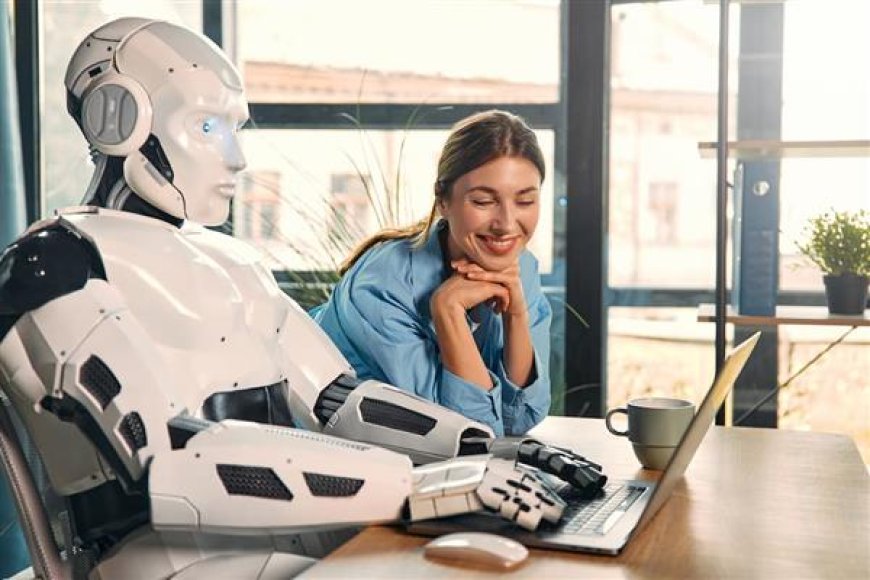
Artificial intelligence refers to computer systems designed to perform tasks that normally require human intelligence. These tasks include recognizing speech, understanding language, analyzing large amounts of data, and even making decisions. Companies across many sectors are now adopting AI tools to increase efficiency and reduce operational costs.
Major technology companies such as Google, Microsoft, and OpenAI are investing heavily in the development of advanced AI systems. These technologies can already perform tasks such as writing articles, generating images, assisting medical diagnoses, and improving customer service through automated chat systems.
For businesses, the appeal of AI is clear. Machines can operate continuously without fatigue, analyze data faster than humans, and reduce the need for repetitive manual labor. In manufacturing industries, robots already assemble products with remarkable precision. In offices, automated software can process financial records, translate languages, and manage large databases.
However, the rapid spread of AI has raised concerns about employment. Some economists fear that automation could replace many routine jobs, especially in sectors such as transportation, administration, and customer service. Self-driving vehicles, for example, could eventually transform industries that employ millions of drivers worldwide.
At the same time, history shows that technological revolutions often create new opportunities even as they eliminate older ones. When computers first appeared in workplaces decades ago, many feared massive unemployment. Instead, entirely new fields emerged, including software development, digital marketing, cybersecurity, and data science.
Experts suggest that the future of work may depend largely on how societies adapt to these technological changes. Education systems may need to focus more on creativity, critical thinking, and problem-solving, skills that machines still struggle to replicate. Workers may also need to learn new digital skills to remain competitive in a rapidly changing labor market.
Another important debate concerns the ethical use of artificial intelligence. Questions about data privacy, algorithmic bias, and the concentration of technological power in a few companies have sparked global discussions about how AI should be regulated.
Some researchers even believe that AI could eventually help solve some of humanity’s biggest challenges, from improving healthcare systems to accelerating scientific discoveries. In this vision, artificial intelligence would not replace humans but work alongside them, enhancing human capabilities rather than eliminating them.
The rise of artificial intelligence represents one of the most significant technological transformations in modern history. Whether it leads to widespread job displacement or a new era of innovation will depend on how governments, companies, and societies respond to the changes ahead. What remains certain is that the relationship between humans and intelligent machines will shape the future of work for generations to come.