














Iran Draws the Line: New Rules Challenge U.S. in the Strait of Hormuz
In recent weeks, Iran has garnered global attention by implementing stringent new rules governing how foreign nations, including the United States, may interact with the strategically critical Strait of Hormuz. For decades, this narrow channel has functioned as a vital artery for global oil supplies, allowing tankers from around the world to pass through it freely. However, Tehran has now made it clear that freedom of passage is subject to specific conditions.

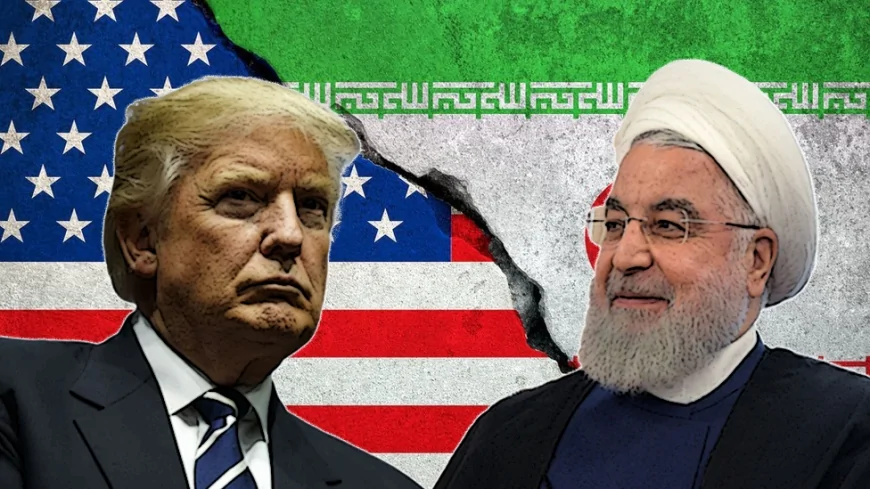
Under the new regulations, nations planning to send vessels through the strait must adhere to Iranian laws and security protocols. Tehran has described this action as a vital step to protect its national security, noting that compliant nations will be granted safe passage while those that resist could face consequences. In essence, Iran has turned its geography into a strategic asset by using its control over the strait to influence international relations.
The consequences are both immediate and far-reaching. For shipping companies, the new regulations mean that journeys once considered routine now require meticulous planning and close scrutiny. Vessels may be required to provide comprehensive information about their cargo, ownership, and destination before being allowed to transit. While Iran has emphasized that the strait remains open to compliant vessels, it is now clear that global shipping is subject to Tehran's oversight in ways it never was before.
This development presents a challenge for the United States. Washington has long maintained that freedom of navigation in international waters is a cornerstone of global stability. Iran's new conditions challenge this principle, forcing American policymakers to meticulously assess their options. Defiance may escalate tensions, while compliance could be seen as submitting to Tehran's authority.
Beyond their political implications, the new regulations also have significant economic consequences. As a critical lifeline for global energy, the Strait of Hormuz means that any disruption or uncertainty can affect oil prices worldwide. Shipping companies and insurers are already adjusting to increased risks, with effects rippling far beyond the Gulf to influence global markets and consumers.
Iran's move signals not just a tactical adjustment but also a broader strategic shift. By taking control of a strategic chokepoint, Tehran is clearly asserting that its sovereignty and regional influence are non-negotiable and that it has the power to shape outcomes in its favor. For the international community, this moment highlights the delicate balance between diplomacy, power, and geography in a world where a single nation's decisions can impact millions.
In the months ahead, events in the Strait of Hormuz will serve as a crucial test of how global powers negotiate with Iran. Now that the rules are set and the stakes have risen, the waters between Oman and Iran have evolved from a simple oil pipeline into a powerful emblem of control, strategy, and shifting globaldynamics.