



















At the Edge of Life: What Happens to the Brain When a Person Is About to Die
Death is the ultimate frontier in the experience of humanity, a journey that all of us will one day undertake, although few of us really understand what it is like. Most discussions about death center around the grieving process, death rituals, and what happens after death, while the experience of the person facing death, what they are going through, how their mind is working, and what is happening in their brain is not often discussed. This is the point where science, spirituality, and human experience intersect and highlight the fragility and strength of life.

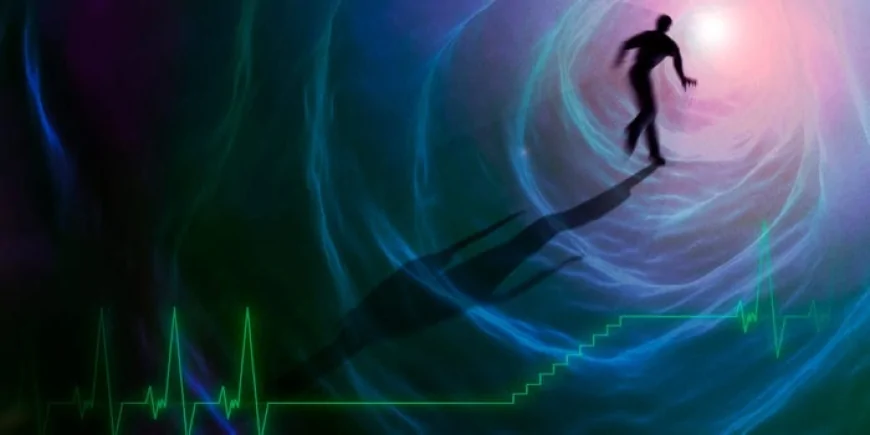
In the last hours or days of life, the human body starts to go through a complex process of shutdown. The brain, which has controlled all our thoughts, emotions, and actions, is going through tremendous changes. With the drop in oxygen levels, the brain’s activity is altered. Some parts of the brain, like the frontal cortex, which controls rational thought and decision-making, slow down. Other parts, like the limbic system, which controls emotions, continue to be active and, in some cases, become extremely active.
Medical professionals, particularly doctors and palliative care nurses, frequently describe reports from those near death, where visions of those no longer living, vivid and realistic dreams, and moments of sudden awareness and recognition are common. This is often referred to as a "life review" in which the person’s recollections flash by in rapid succession. Neurologists theorize that these visions and moments of awareness are brought about by the brain’s reaction to stress, chemicals, and blood flow, although they are intensely real to the person having them.
In addition to mental and emotional experiences, the physical body also communicates its last stages of life. Heart rate varies, breathing is irregular, and the five senses, especially sight and hearing, can be extremely acute, even when other physical functions are in decline. Stories from hospice nurses and caregivers describe how some people respond to voices and touch, even when they seem unaware. This is the mysterious relationship between physical degeneration and mental awareness.
Emotionally, the build-up to death is intricate and intensely individual. For some, it may be a build-up of fear, anxiety, or frustration at the loss of autonomy and the uncertainty of what is to come. For others, it may be a sense of peace, acceptance, or even relief, and this may depend on their faith, their level of contentment with their lives, and their spiritual perspectives. The impact of the environment and the people around them may also have a profound effect on their mental state as their lives draw to a close, according to their loved ones and carers.
From a scientific perspective, the exploration of the dying brain has become increasingly prevalent in recent years. Research using EEG and other imaging techniques has measured increased brain activity in the run-up to death in some patients, and this has been associated with vivid imagery in some cases. The theory is that this increased activity may be the brain’s last attempt to make sense of and integrate all of the experiences of life. This suggests that even at the end of life, the human brain is still working to make sense of and connect with all of our experiences.
From a philosophical and spiritual perspective, the process of dying is seen not as an end but rather as a transition. There are accounts from all over the world of deathbed visions, encounters with ancestral spirits, or a move toward the light. Regardless of how they are interpreted, these processes underscore the deep and abiding desire that is in every human being to understand and navigate the unknown.
From the perspective of the person accompanying the loved one in the process of dying, understanding what is happening in the final stages of life can be a grounding and even awe-inspiring experience. It allows the caregiver to witness the depth of the resilience of the human spirit even in the face of physical decline. The process of dying is often described by the caregiver as the final act of living, in which memory, love, and consciousness all come together in a way that is beyond the ordinary.
Ultimately, the process of death is as individual as life. The brain, body, and emotions all dance in a wondrous ballet that science is just beginning to understand. Though the mystery of what lies beyond death may forever remain beyond human understanding, the process of death, and how the mind deals with this final process, provides a wonderful window into the nature of human consciousness, emotions, and meaning. As we face death, we also find that the human mind is capable of great weakness and yet also of great strength in terms of connection and transcendence, and that even as we die, we are completely alive until the end.