









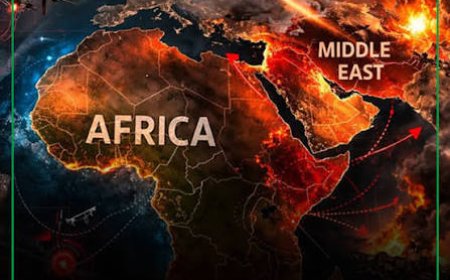


The hidden power: Families that secretly controls the world
For decades, tales have persisted regarding a select few influential families thought to steer global affairs from the shadows. These stories frequently surface in documentaries, social media, and literature, indicating that wealth, legacy, and influence can subtly mold economies, politics, and culture. Although some of these assertions reflect genuine historical impact, others are either exaggerated or stem from conspiracy theories.

1. Rothschild family
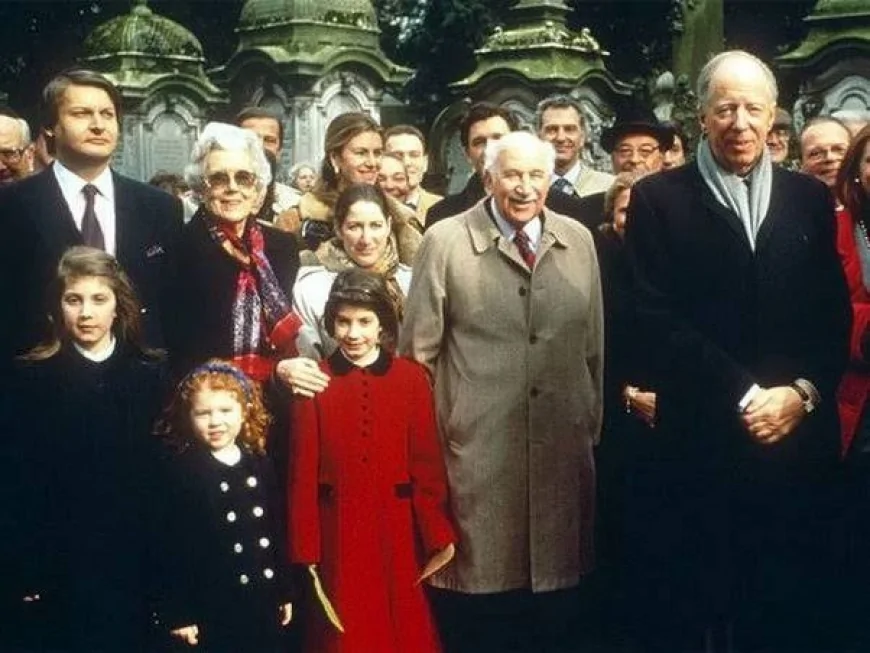
Among the most often cited families is the Rothschilds, who established a formidable banking empire across Europe in the 18th and 19th centuries. Their financial networks enabled them to fund governments and major projects, thereby securing significant influence. However, over time, myths have developed regarding their power, with some asserting they control global finance—a claim that lacks supporting evidence today.
2. Rockefeller family
Another frequently mentioned example is the Rockefeller family, whose fortune was built on oil via the Standard Oil Company established by John D. Rockefeller. The family rose to become one of the wealthiest in history and subsequently redirected their efforts toward philanthropy, supporting education, healthcare, and scientific research. Their legacy continues to shape global institutions, yet not through the secretive and controlling methods frequently depicted online.
3. The Walton family
As the founders of the Walmart empire, the Walton family exemplify a modern instance of vast economic influence. As one of the wealthiest families in the world, their influence is primarily centered on global retail and employment. Unlike conspiracy theories, their influence is evident in business operations rather than concealed control.
4. The House of Saud
In the Middle East, the House of Saud is frequently discussed because of its control over one of the world's largest oil reserves. The family's substantial geopolitical influence, particularly within energy markets, stems from its oil wealth. However, their power is linked to governance and national leadership instead of covert global domination.
5. The House of Windsor
Likewise, the House of Windsor carries significant symbolic and historical weight. Although they no longer wield direct political power, their influence endures in diplomacy, culture, and global public attention. Their current role is predominantly ceremonial, contradicting assertions of covert control.
Other families, such as the Morgans linked to J. P. Morgan, also played a key role in shaping early financial systems, particularly in the United States. While their influence has evolved, their contributions to banking and industry were instrumental in shaping modern capitalism.
Even though these stories are popular, it is crucial to distinguish between fact and fiction. These families have undeniably shaped history and continue to wield significant wealth and influence across various sectors. However, the notion that they covertly govern the entire world is an oversimplification of intricate global systems that include governments, corporations, and institutions.
In reality, power in the modern world is shared among numerous actors, including political leaders, multinational corporations, international organizations, and emerging economies. Although wealthy families may exert influence in specific areas, no single group functions as a hidden ruler of the world.