





When Words Sound Like War: Inside Trump’s Rising Threat Against Iran
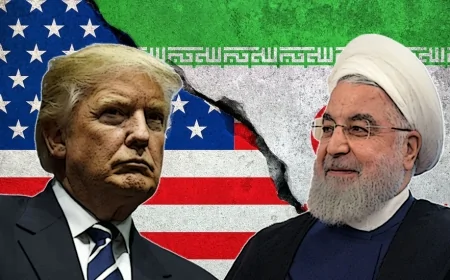
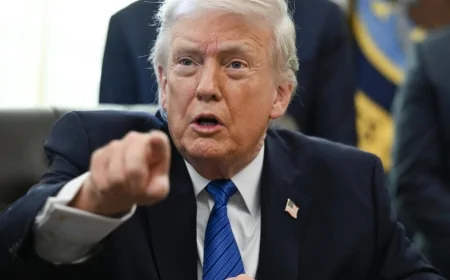
It began, as so many political moments do, with a speech. With cameras rolling and microphones primed, a well-known figure steps forward with confidence. However, this time, Donald Trump's remarks regarding Iran carried a distinct tone. It was more than just pressure. It was more than just a warning. It was something heavier, something that quietly brought the word "invasion" back into global discourse.

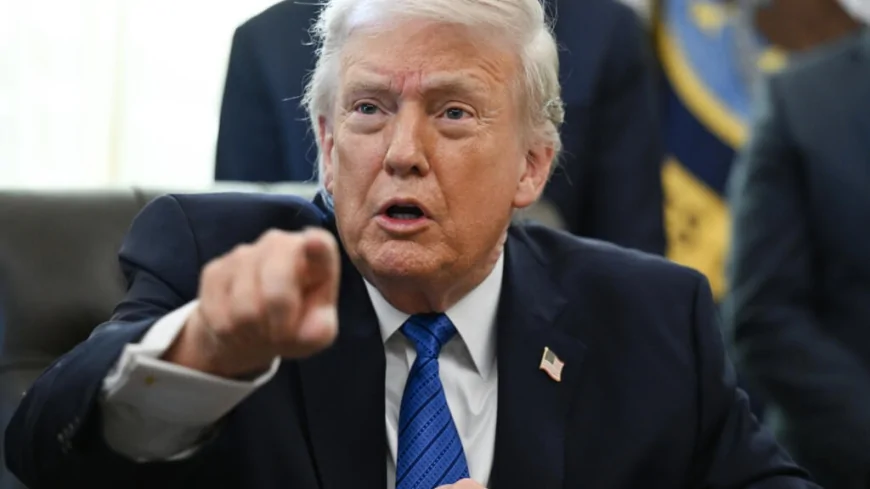
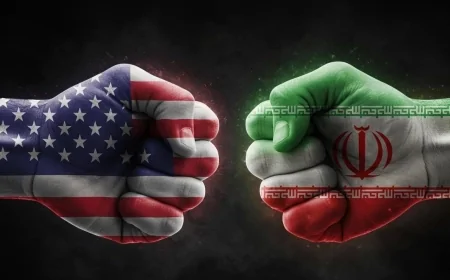
For years, the relationship between the United States and Iran has been characterized by a recurring cycle of threats, countermeasures, brief pauses, and renewed escalation. What sets this moment apart is not merely the words spoken, but the manner in which they were delivered. The message was delivered without any attempt to soften it. There is no careful diplomatic language. Instead, a clear message was sent: force remains an option.
Such statements conceal a reality that most people rarely perceive in its entirety. Wars do not start with invasion; they begin with preparation. The environment must shift long before soldiers advance. Tension mounts. Messages become more incisive. Diplomatic room is shrinking. Gradually, and almost imperceptibly, the notion of conflict becomes normalized.
This is the current state of the world. Not at war, yet not entirely at peace.
For Iran, such threats are not a new occurrence. For decades, it has endured pressure, learning to respond not with panic but with strategic positioning. Rather than reacting emotionally, it typically responds strategically by demonstrating readiness, signaling resilience, and refraining from actions that might justify immediate escalation. It is a delicate balance between projecting strength and refraining from taking the first major step into open war.
However, words still hold significance. When a leader like Trump speaks of striking hard or suggests that stronger action is coming, it does more than send a message to Iran. It conveys a message to the world. The markets respond. Allies start to compute their locations. Ordinary people, far from the battlefield, begin to wonder how close the situation really is to changing.
However, the most intriguing aspect of this moment lies in what has not yet occurred. No troops are crossing borders. There was no formal declaration of war. Just tension, thick, visible, and intensifying.
This is the stage where history often pauses.
Sometimes, the most perilous moment is not when war erupts, but when it seems poised to break out at any instant.
This is where the story truly resides, not in explosions, but in uncertainty. Not in action, but in anticipation. A world watches, waits, and silently poses the same question.
How far can words travel before they become irreversible?