












Why Africa Remains Poor: America Is Led by Systems, Africa by Individuals
Of course, it sounds preposterous at first, almost like a joke intended to spark debate. How can it ever be possible for a three-month-old baby to “lead” such a powerful nation as the United States of America? Leadership is often equated with intelligence, experience, and decision-making capabilities. However, there is much more to this seemingly preposterous statement than meets the eye.

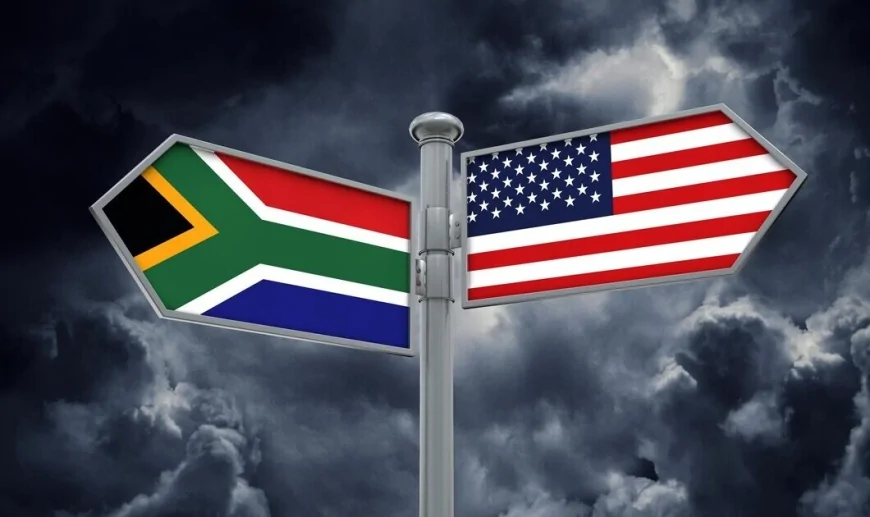
The United States of America is a powerful nation, but it is not an individual who drives leadership in this nation. Rather, it is a complex system of rules and laws that have been in place for centuries. Even though there is a change of leadership in this nation, there is still this foundation that holds firm. This is why it is said that leadership in such a powerful nation is not really about who is in leadership but rather the rules that govern all decisions.
The American system is characterized by power distribution among various institutions such as the executive, legislative, and judicial branches of government. These institutions were created to check each other’s power. This means that even the most powerful leaders in America do not have full control over the course of the nation. Their power is restricted by the constitution. In this case, leadership is a collective responsibility rather than an individual’s.
This is where the idea becomes interesting. If it is strong enough, it can function even without the most powerful leaders in place. The processes in place were created to transcend individual leaders. They go through various checks and balances before any decision is made. Leadership in America is a machine that never stops even in the absence of powerful leaders.
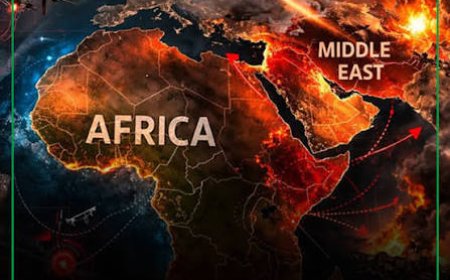
In contrast, many nations in Africa often face a different reality, and this is not universal across all nations. In some nations, for example, leadership is highly personalized, and this means that leadership is based on individuals and not institutions. In such cases, leadership is often determined by individual personalities, and this means that the direction and course of a nation can be altered completely depending on who is at the helm.
However, it is important to note that this comparison is not absolute. Africa is not one story, and this is because many nations on the continent are working to build and strengthen their institutions and leadership structures. Similarly, the American system is not perfect and has its own internal dynamics and pressures.
What the statement actually reveals is not that a child can lead a nation, but that the system is more important than the individual in providing stability. It is a statement that reflects the importance of institutions and rules in providing stability in governance.
The real question that is being asked in the end is not that a child can lead a nation, but that the system of a nation is more important than the individual in providing stability without relying solely on the individual in the leadership position. This is a question that has been a part of the dialogue in defining power and leadership.