










Behind the Negotiating Table: What Iran Really Wants from the USA?
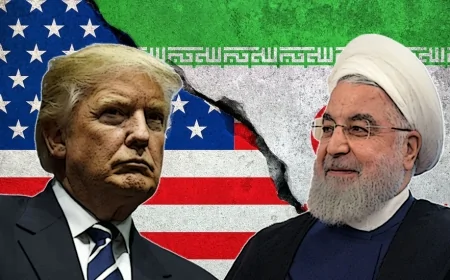
As the international community observes the intense back-and-forth between the US and Iran, much of the discussion has centered on what Iran needs to provide to the US. However, there is a different side to this coin, and that is what Iran really needs from the US. These needs are a combination of caution, strategy, and mistrust, which guides every decision that Iran is making in this ongoing standoff.

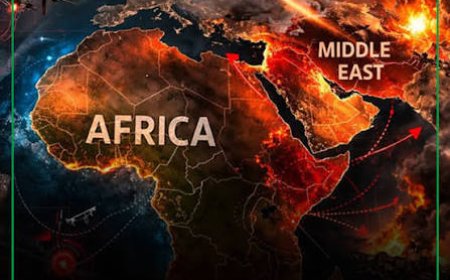
Iran’s need for the US is not just a matter of the US presence in the Middle East, as this is not just a matter of security for Iran, but also a reminder of its own insecurity and the presence of foreign forces in the region. Iran has constantly reminded the US that any meaningful negotiations need to include a reduction or complete withdrawal of US troops from the region. This is not a bargaining chip, but rather a necessity that has come from Iran’s experience with foreign forces, which is meant to ensure its own sovereignty and reassure its citizens that they are not living in a state of insecurity.
Besides security issues, Iran is also interested in economic and strategic gains. This is evident from the fact that the Iranian government has clearly indicated that they want compensation for the damages caused to their economy as a result of the military confrontations. Another issue that is of critical importance is Iran’s need for a say in the management of the Strait of Hormuz, which is a narrow waterway through which a substantial percentage of the world’s oil is transported. Iran considers having a say in the management of this waterway as a right, which is a way of protecting its own interests, thus gaining strategic advantage over the rest of the globe.
The development of missiles and defense systems is also an integral part of Iran's demands. Although the United States continues to advocate for limits on Iran's ballistic missile programs, Iran believes it is essential for their national security. The discussion of disarmament or limiting their missile programs is taken cautiously, as it is perceived as a threat to their very survival in a region of unrest. This, however, is also a testament to their larger belief system, which is evident from their demands. The idea of security and freedom is not something they are willing to compromise, even for the sake of diplomacy.
Lastly, Iran demands assurance of future non-interference. Although Iran is making concessions, their government is also interested in ensuring that their future is not at risk because of American interference. This is not just about preventing future conflict but also about their desire for dignity within the international arena. To Iran, any agreement would be meaningless unless they are assured of their future, even if it means looking weak in front of other countries.
Collectively, these objectives suggest a picture of a nation negotiating not only peace, but also recognition, security, and power within a world where power structures are constantly shifting. As the United States outlines its expectations of Iran, it is important to understand what Iran wants as a window into the complex calculus of one of the most volatile relationships within global politics today.