














Thailand’s Dramatic Election Shakes Asia’s Political Landscape
Thailand is back in global headlines after a dramatic general election held on 8 February 2026 reshaped the country’s political direction and sparked debates across Asia about democracy, power, and the future of leadership.

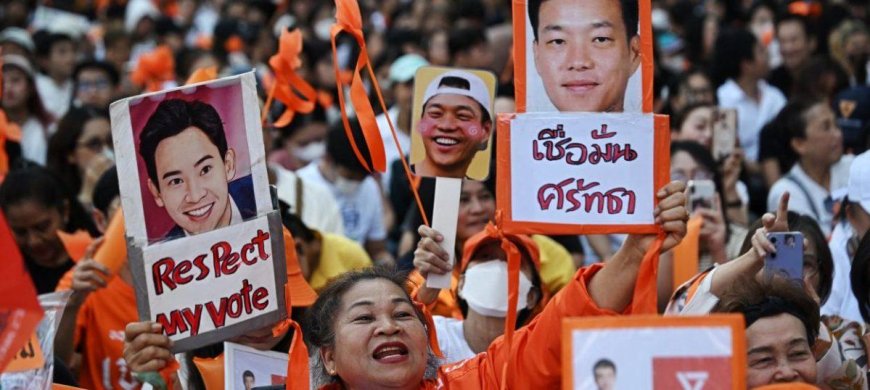
Millions of Thai citizens headed to the polls in a high-stakes election that followed years of political instability, court rulings, and collapsing coalition governments. The vote was seen not only as a chance to form a new government but also as a test of Thailand’s democratic resilience after continuous leadership changes and public uncertainty.
Preliminary results show the Bhumjaithai Party emerging as the strongest political force in parliament, winning the largest number of seats. The People’s Party and Pheu Thai followed behind, setting the stage for intense negotiations and possible coalition talks that could determine the country’s next prime minister and future policies.
Beyond Thailand, political analysts say the election could influence the balance of power in Southeast Asia and impact regional cooperation, trade, and diplomatic relations. Young voters played a visible role in the election, with many demanding transparency, economic reforms, and modern governance structures that reflect changing social realities.
As Thailand begins the process of forming a new government, the world is watching closely. The election represents more than just a political shift — it signals a new chapter in a nation striving to redefine stability, leadership, and democracy in a rapidly changing global environment.