



















How Foreign Aid Will Never Bring Lasting Development to Africa
For decades, billions of dollars in foreign aid have flowed into African countries with the stated goal of reducing poverty and accelerating development. Governments, international organizations, and charities have invested heavily in projects aimed at improving health, education, and infrastructure. Yet despite these efforts, many critics argue that foreign aid has not produced the level of sustainable development that many Africans had hoped for. This has sparked an ongoing debate about whether aid from abroad truly helps the continentor whether it sometimes slows genuine progress.

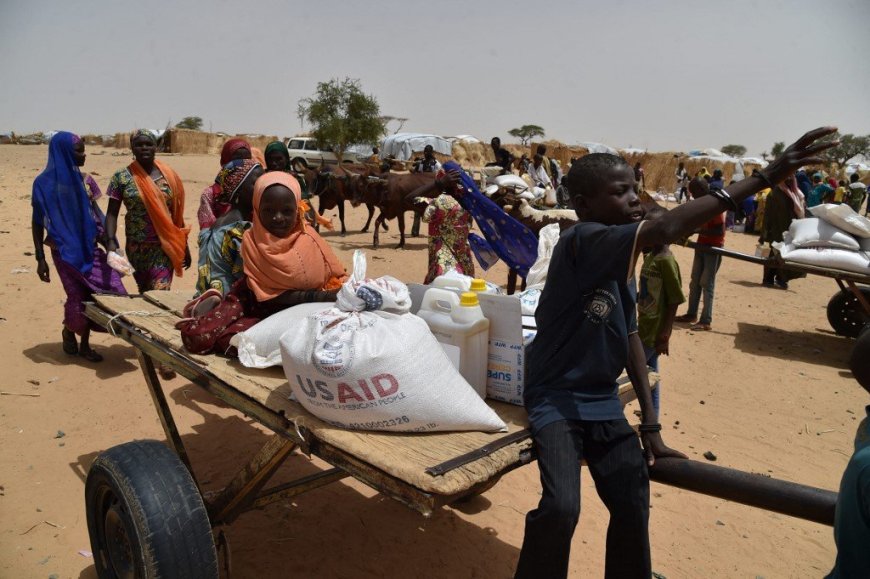
One of the main criticisms of foreign aid is that it can create long-term dependency rather than sustainable economic growth. When governments rely heavily on external funding from organizations such as the World Bank or the International Monetary Fund, they may focus more on maintaining aid relationships than on developing internal economic systems. In some cases, this dependency reduces incentives to strengthen local industries, improve tax systems, or invest in productive sectors that generate long-term national wealth.
Another challenge is that large portions of aid money often do not reach the communities they are intended to help. Administrative costs, corruption, and mismanagement can absorb significant amounts of funding before it reaches ordinary citizens. Critics argue that some aid projects are designed more to satisfy donor priorities than to address the real needs of local populations. As a result, many development programs fail to produce lasting results once the funding period ends.
Foreign aid can also unintentionally weaken local economies. When free or subsidized goods enter a country, such as food, clothing, or other products, they can undercut local producers who cannot compete with donated supplies. This can discourage local entrepreneurship and damage domestic industries that might otherwise grow and create jobs. Economists have often warned that development must come primarily from strong local production rather than continuous external assistance.
Despite these criticisms, it is important to recognize that foreign aid has also contributed to important achievements. Programs supported by organizations such as the United Nations have helped expand access to education, reduce certain diseases, and improve humanitarian response during crises. However, many experts believe that while aid can help address emergencies, it cannot replace strong economic policies, effective governance, and local innovation as the main drivers of development.
Across the continent, new voices are increasingly calling for a different approach to development—one that focuses on investment, trade, entrepreneurship, and industrial growth. Regional initiatives led by institutions like the African Union emphasize economic integration and self-reliance as key strategies for the future. These efforts aim to reduce reliance on aid and instead build stronger internal markets capable of supporting long-term prosperity.
The debate about foreign aid in Africa continues to generate strong opinions. While international assistance has helped address humanitarian needs, many analysts argue that sustainable development cannot depend primarily on external support. Instead, Africa’s long-term progress will likely depend on strengthening local economies, investing in innovation, and creating systems that empower citizens to build wealth within their own countries.