

















Africa’s Youth Growth: Opportunity or Crisis for the Continent?
Africa is experiencing one of the fastest population growth rates in the world, and at the center of this demographic transformation is its youth. Today, more than 60 percent of Africa’s population is under the age of 25, making it the youngest continent on earth. While many experts describe this as a historic opportunity for economic growth, others warn that without sufficient jobs, education, and investment, Africa’s youth population could also become a major social and political challenge.

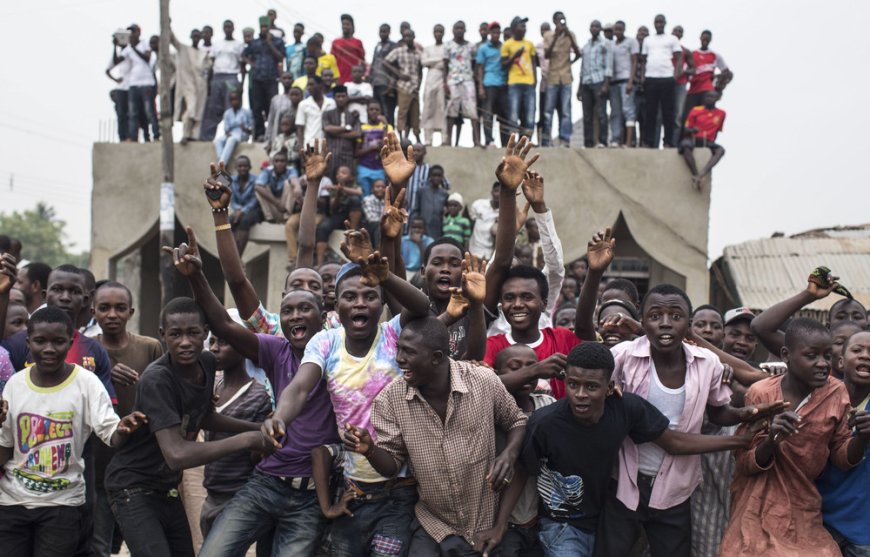
According to projections from the United Nations, Africa’s population is expected to double by 2050, reaching nearly 2.5 billion people. This rapid growth means millions of young people will enter the labor market every year. If economies across the continent are able to create enough employment opportunities, the result could be what economists call a “demographic dividend”, a period of strong economic growth driven by a large and productive workforce.
However, the reality in many African countries is more complicated. Youth unemployment and underemployment remain major concerns. In several nations, university graduates struggle to find stable jobs despite years of education. Many young people are therefore turning to informal work, entrepreneurship, or migration in search of better opportunities. Analysts warn that when large numbers of young people feel excluded from economic progress, it can lead to frustration, social unrest, or increased political tension.
At the same time, Africa’s youth are also driving innovation and change across the continent. In technology hubs from Nairobi to Lagos and Kigali, young entrepreneurs are creating startups in fields such as fintech, digital media, agriculture, and e-commerce. Organizations such as the African Union have increasingly emphasized the importance of investing in youth-led innovation as a way to accelerate development and reduce dependency on external aid.
Education systems are also under pressure to adapt. Experts argue that traditional academic programs often fail to prepare students for rapidly changing job markets. As a result, governments and universities are being encouraged to focus more on technical skills, entrepreneurship training, and digital literacy—areas that can better equip young Africans to compete in a global economy.
Another important factor shaping Africa’s youth future is political participation. Across the continent, young people are becoming more vocal about governance, transparency, and accountability. Social movements, civic activism, and online campaigns have increasingly given young citizens a platform to demand reforms and better opportunities.
Africa’s growing youth population presents both enormous promise and significant challenges. If governments invest in education, innovation, and job creation, the continent could benefit from a powerful generation capable of transforming economies and societies. But if opportunities remain limited, the same demographic wave could deepen inequality and instability. The future of Africa may therefore depend largely on how effectively the continent harnesses the energy, creativity, and ambitions of its young people.