











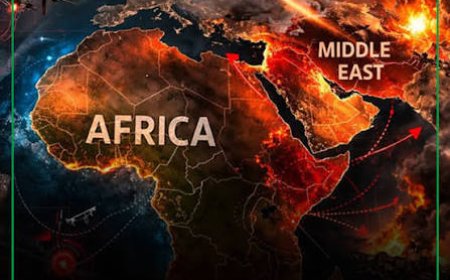


The Secret Operation: How Hacked Cameras Reportedly Led to the Killing of Iran’s Supreme Leader
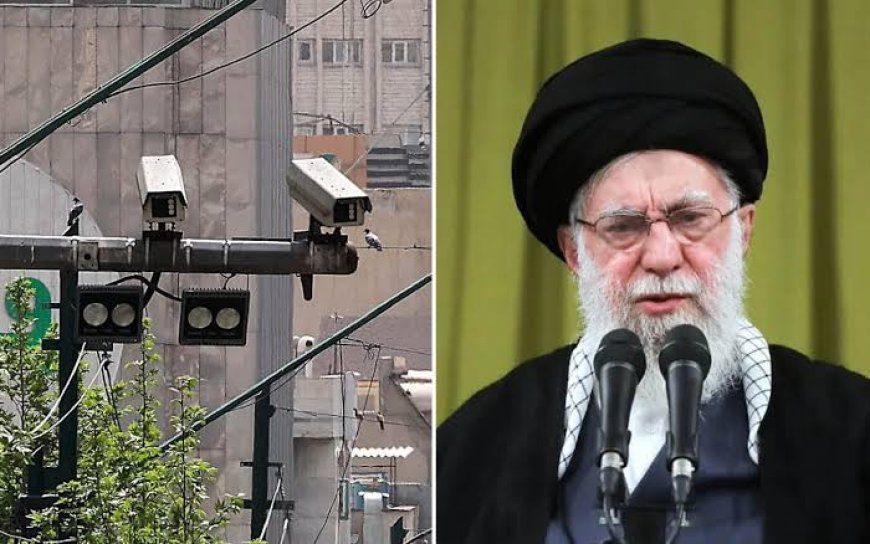
A complex intelligence operation combining cyber-warfare, artificial intelligence, and years of surveillance reportedly played a key role in the killing of Iranian Supreme Leader Ali Khamenei. According to several international reports, foreign intelligence agencies secretly infiltrated Iran’s surveillance systems and used hacked traffic cameras across Tehran to track the leader’s movements long before the strike that ultimately ended his life.

Years of Digital Surveillance
Investigations suggest the operation did not happen overnight. Intelligence agencies allegedly spent years infiltrating Tehran’s network of traffic cameras and security systems. Through cyber-attacks and malware, operatives gained access to video feeds across the city, allowing them to observe movements near sensitive government compounds.
These hacked cameras provided a constant stream of visual intelligence. By analyzing thousands of hours of footage, intelligence analysts reportedly built what is known in intelligence circles as a “pattern of life.” This method involves mapping daily routines, travel routes, security rotations, and the behavior of bodyguards.
According to reports, some cameras near Pasteur Street in Tehran, close to the compound where Khamenei often held meetings, proved especially valuable. Analysts used the footage to identify where security vehicles parked, how guards rotated shifts, and which officials frequently visited the compound.
Artificial Intelligence and Data Analysis
Technology played a major role in turning raw surveillance footage into actionable intelligence. Advanced algorithms and artificial intelligence were reportedly used to analyze enormous amounts of video data collected from hacked cameras.
These systems helped intelligence teams identify patterns that human analysts might miss. For example, software could track recurring vehicles, identify security personnel, and map how often the Iranian leader appeared in specific locations.
Combined with mobile-network monitoring and human intelligence sources, this digital surveillance created an extremely detailed picture of the Iranian leadership’s routines.
The Final Strike
Once intelligence agencies confirmed a high-level meeting involving Khamenei and senior officials, the operation reportedly moved into its final stage. According to reports, the strike was carried out using precision missiles launched against the compound where the meeting was taking place.
Before the attack, communications systems in the surrounding area were reportedly disrupted to prevent warnings from reaching security forces. The strike targeted specific buildings inside the compound, aiming to eliminate key leadership figures in a single coordinated attack.
The operation demonstrated how modern warfare increasingly combines cyber-espionage, digital surveillance, and precision military technology.
A New Era of Warfare
Security analysts say the operation highlights a dramatic shift in global conflict. Instead of relying only on traditional military intelligence, modern operations increasingly depend on cyber capabilities.
Cities around the world now operate vast networks of surveillance cameras designed for traffic management and public security. However, these same systems can become intelligence tools if infiltrated by foreign cyber units.
The case illustrates how digital infrastructure, from cameras to communication networks, can become both a security asset and a vulnerability in modern geopolitics.
If the reports are accurate, the operation represents one of the most technologically sophisticated intelligence missions in recent history. By combining cyber-hacking, artificial intelligence, and real-time surveillance, intelligence agencies were able to transform ordinary city cameras into powerful tools of geopolitical warfare.
The incident also raises serious questions about the future of cybersecurity, state surveillance systems, and how technology is reshaping the battlefield in the 21st century.