

















Why Are People Acting Foolish on Social Media? Is It the Search for Views or a Lack of Meaningful Engagement?
In recent years, social media has become a powerful platform where millions of people share their lives, ideas, and talents. However, alongside creative and informative content, a growing trend has emerged in which some individuals perform strange, risky, or seemingly foolish acts online. Many observers now ask a critical question: are people behaving this way simply to gain views and popularity, or does it reflect a deeper problem about how social media is shaping human behavior?

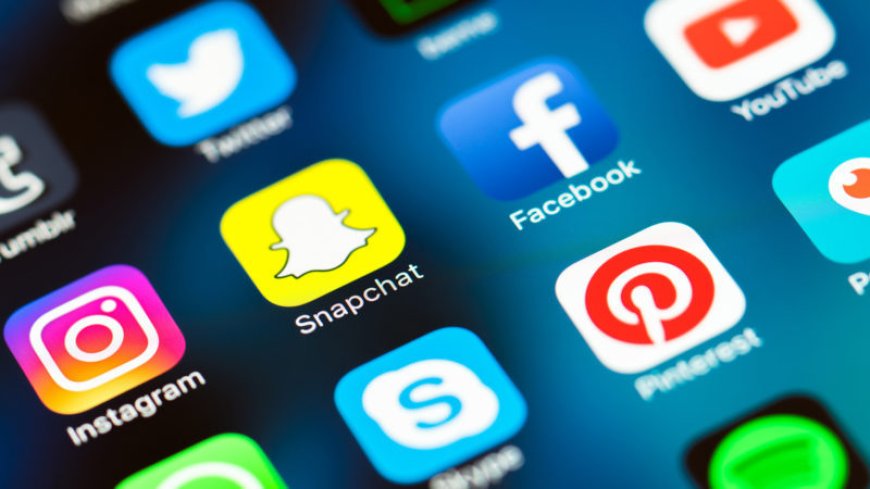
One of the most obvious explanations is the intense competition for attention on platforms such as TikTok, Instagram, and YouTube. These platforms operate through algorithms that promote content receiving high engagement, likes, comments, and shares. As a result, some creators feel pressured to produce increasingly extreme or unusual videos to capture viewers’ attention. Researchers say that when visibility becomes the main goal, content may gradually shift from meaningful communication to shocking or sensational behavior.
Psychologists also suggest that social media can trigger strong psychological rewards. Studies published by the American Psychological Association show that receiving likes and positive reactions online activates reward systems in the brain similar to those stimulated by other pleasurable experiences. For some users, especially young people, this feedback can become addictive. The desire for validation and recognition may encourage individuals to take greater risks or engage in unusual behavior simply to maintain online popularity.
Another factor is the culture of “viral trends.” When one unusual or controversial video becomes popular, many others quickly attempt to copy or exaggerate the idea in hopes of achieving similar success. According to research from the Pew Research Center, social media trends spread rapidly because users often imitate behaviors they see receiving large amounts of attention online. This cycle can transform a single stunt into a widespread phenomenon across different countries and communities.
Experts also point to the economic incentives behind viral content. In the digital economy, attention can translate into money through advertising, sponsorships, and influencer marketing. Some creators intentionally design shocking or humorous content to attract large audiences and monetize their popularity. Reports from the World Economic Forum indicate that the global creator economy has grown into a multi-billion-dollar industry, encouraging many people to compete aggressively for online visibility.
However, critics argue that this culture of attention sometimes undermines meaningful communication and responsible digital behavior. Educators and media analysts warn that when individuals prioritize views over substance, social media spaces can become flooded with content that contributes little to public knowledge or constructive dialogue. Instead of sharing ideas, skills, or useful information, many creators may feel pressured to focus only on entertainment and shock value.
The phenomenon of people acting foolishly on social media cannot be explained by a single reason. It is a combination of psychological rewards, viral culture, economic incentives, and the powerful algorithms that shape online visibility. While some individuals may simply be seeking views or financial gain, the broader issue reflects how digital platforms influence human behavior. As social media continues to evolve, experts emphasize the importance of media literacy and responsible content creation to ensure that online spaces encourage creativity, learning, and positive engagement rather than meaningless competition for attention.