













Why is america excited about negotiations with Iran? Is Washington facing greater consequences from the war than Tehran?
When tensions between the United States and Iran escalated into open confrontation, many observers believed the conflict would be brief and decisive. Early statements from political and military circles suggested that the war could last only a few weeks. However, as the situation continues to evolve, Washington has increasingly signaled interest in negotiations with Tehran. This shift has raised new questions among analysts and political observers: why is the United States now pushing for dialogue, and could it be that the conflict is producing consequences that are more complicated for Washington than initially anticipated?

One of the major factors behind the renewed calls for negotiations lies in the strategic complexity of confronting Iran militarily. Iran is not a small or easily isolated country. Its geographic size, mountainous terrain, and deeply entrenched military infrastructure make any prolonged military operation extremely difficult. Over the years, Tehran has invested heavily in missile technology, regional alliances, and asymmetric warfare strategies designed specifically to counter stronger military powers. As a result, what was once imagined as a short conflict increasingly appears to be a long and costly engagement.
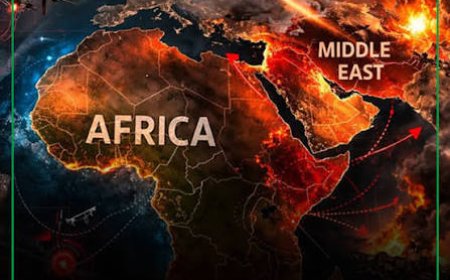
Economic pressure has also become a critical issue shaping the debate in Washington. Iran’s strategic location near the Strait of Hormuz, one of the most important global oil transit routes, means that instability in the region can immediately affect the world’s energy supply. Even limited disruptions in that corridor can drive global oil prices higher, affecting transportation costs, inflation, and financial markets worldwide. For a country like the United States, whose economy is deeply connected to global trade and energy markets, prolonged instability can quickly translate into domestic economic pressure.
Beyond economics, political considerations inside the United States also play a significant role. Modern wars are no longer judged solely on battlefield outcomes; they are also shaped by public opinion, international alliances, and diplomatic credibility. Prolonged military conflicts can generate political divisions at home and strain relationships with allies abroad. As a result, American leaders often weigh the benefits of diplomacy alongside military options, particularly when conflicts show signs of expanding beyond initial expectations.
At the same time, Iran has demonstrated resilience in the face of external pressure. Despite sanctions and military threats, Tehran has maintained its strategic posture and continues to signal that it will defend its regional interests. This dynamic creates a situation in which neither side can easily impose a quick or decisive outcome, making negotiations an increasingly realistic path to manage escalation.
The United States’ willingness to engage in talks with Iran does not necessarily signal defeat, but it highlights the complicated nature of modern geopolitical conflicts. Military strength alone rarely resolves such confrontations quickly, especially when economic, political, and regional dynamics are deeply intertwined. As the conflict continues, the growing debate in international circles is no longer simply about who might win the war, but about how both sides can manage the rising costs and risks of a prolonged confrontation.