



















Do People Really Go to Hell in Search of Wealth? The Stories That Continue to Fascinate the World
Across many cultures around the world, there has long been a mysterious belief that some people gain sudden wealth through supernatural means. Stories circulate about individuals who supposedly travel to dark spiritual realm, often described as “hell”—to obtain riches in exchange for unknown sacrifices. But are these stories real, or are they simply myths created by society to explain sudden wealth and moral fear around money?

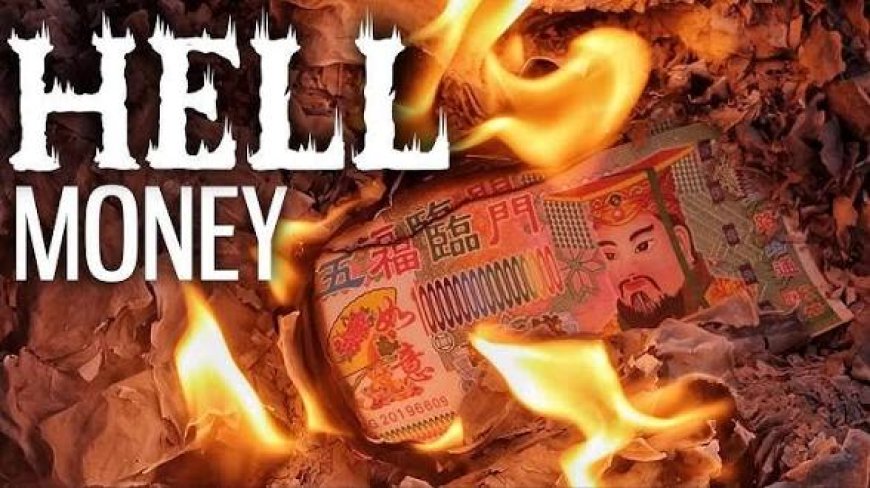
In many societies, particularly in parts of Africa, Europe, and Latin America, legends about supernatural wealth have existed for centuries. These stories often appear during times of economic hardship, when the gap between rich and poor grows wider and people begin questioning how some individuals accumulate large amounts of money very quickly. Instead of attributing wealth to business, innovation, or inheritance, communities sometimes explain it through spiritual narratives involving secret rituals or agreements with supernatural forces.
One of the most famous historical legends connected to supernatural wealth is the story of Faust. According to European folklore, Faust was a scholar who made a pact with a demon named Mephistopheles, exchanging his soul for unlimited knowledge and worldly pleasures. The story became widely known through the play Faust, written by Johann Wolfgang von Goethe. Over time, the legend shaped the global idea that wealth and success obtained through dark means come at a terrible price.
Another story often cited in modern culture involves the American blues musician Robert Johnson. According to a popular legend, Johnson supposedly met the devil at a crossroads and sold his soul in exchange for extraordinary musical talent and success. Although historians consider this story to be a myth created around his mysterious life and sudden musical skill, it became one of the most famous supernatural legends in music history.
In many African communities, similar narratives exist about individuals who are believed to gain wealth through hidden spiritual practices. These stories sometimes describe secret societies, mysterious rituals, or spiritual journeys where people allegedly obtain money from supernatural beings. However, scholars and anthropologists often explain these beliefs differently. They argue that such stories usually emerge from social tension, jealousy, or the human desire to explain unexplained success.
Psychologists also note that humans naturally search for explanations when something appears mysterious or unfair. When someone becomes wealthy quickly, especially in communities where opportunities are limited, rumors may arise suggesting that their success is connected to supernatural forces. These narratives then spread through storytelling, social media, and folklore, becoming widely believed even without evidence.
Religious teachings in many traditions also warn against seeking wealth through immoral or spiritual shortcuts. In Christianity, Islam, and other religions, wealth is generally viewed as something that should be obtained through hard work, honesty, and responsibility. Stories about supernatural wealth often serve as moral lessons, warning people that greed can lead them down dangerous paths.
While stories about people going to hell or making supernatural deals for wealth continue to circulate around the world, there is no credible evidence that such practices actually exist. Instead, these tales reflect humanity’s deep fears about greed, power, and unexplained success. They remain powerful cultural storie, part myth, part moral lesso, reminding society that the pursuit of wealth has always been surrounded by mystery, imagination, and debate.