



















How the Internet Is Making Us Foolish
Every morning, before many of us even get out of bed, we reach for our phones. We scroll through WhatsApp messages, check Instagram, watch a few short videos, and maybe laugh at a meme. It feels normal. It feels harmless. After all, the internet is part of our daily life. It helps us learn, connect, and stay informed. But slowly, quietly, something else may be happening. The same internet that gives us information might also be weakening the way we think.
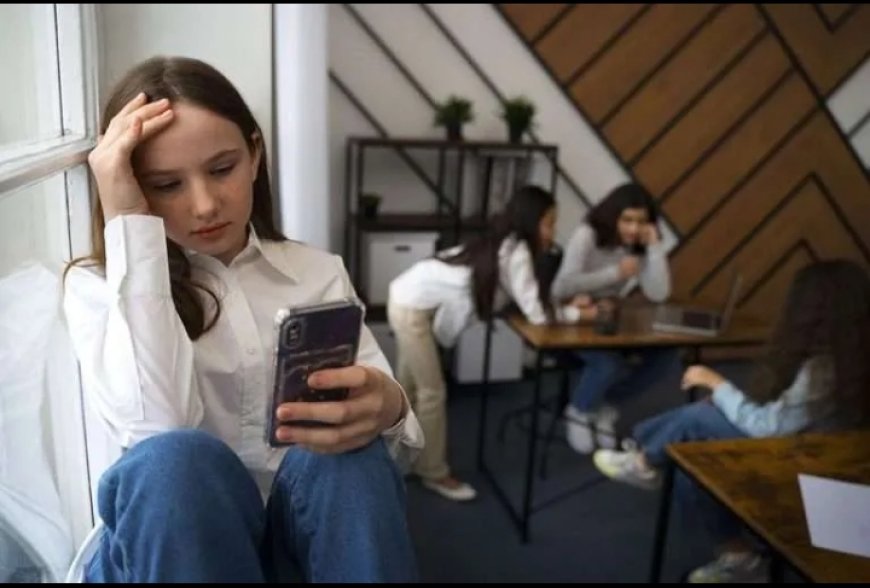
Years ago, if someone wanted to know something, they had to search for it in books, ask elders, or sit and think deeply about a problem. Today, the answer is just one Google search away. At first, this seems like progress. Why struggle to remember facts when you can look them up in seconds? But because we know the answer is always available online, many of us no longer try to remember things. We don’t challenge our brains the way we used to. We depend on the internet to think for us.
This habit may look small, but over time it changes us. When we stop training our memory and critical thinking skills, they become weaker. It is like a muscle. If you do not exercise it, it loses strength. The brain works in the same way. When we quickly search instead of thinking deeply, we lose the ability to analyze, reflect, and question.
Another way the internet may be affecting us is through short content. Platforms like TikTok, Instagram Reels, and YouTube Shorts are built around very short videos. Most of them last less than a minute. They are fast, colorful, and entertaining. After watching one, the next one starts automatically. Hours can pass without us realizing it. Because we get used to quick and exciting content, our attention span becomes shorter. It becomes harder to read long articles or focus in class. Even sitting quietly can feel uncomfortable.
This is not because people are naturally foolish. It is because the internet trains our minds to expect constant stimulation. When everything is fast and exciting, slower activities like reading a book or having a deep conversation feel boring. We start avoiding them. Over time, this affects our ability to concentrate and think carefully about serious issues.
Social media also plays a role. Many people share opinions online without checking facts. A post with a dramatic headline spreads quickly, even if it is not true. Because we scroll so fast, we often do not verify what we read. We share information based on emotion rather than evidence. This can lead to misinformation spreading widely. When people believe false information again and again, it shapes how they think and make decisions.
The internet also creates what some call “the illusion of knowledge.” When we read a few posts or watch a short video about a topic, we may feel like we understand it fully. But real understanding takes time and effort. It requires reading different sources, asking questions, and thinking critically. The internet sometimes gives us surface knowledge, but not deep knowledge. We know a little about many things, but not enough about one thing.
There is also the problem of comparison. On social media, people usually show the best parts of their lives. They post achievements, happy moments, and success stories. When others see this constantly, they may feel pressure to look successful too. Instead of focusing on learning and growing, people may focus more on gaining likes and followers. Some even spread false information or act in extreme ways just to get attention. In this way, the internet can reward foolish behavior.
However, it is important to say that the internet itself is not evil. It is a tool. It has helped students access online courses, entrepreneurs start businesses, and families stay connected across countries. During difficult times, such as health crises, the internet has been a powerful source of communication and information. The problem is not the internet alone, but how we use it.
When we use it without control, it controls us. When we scroll without purpose, we waste time that could be used for learning or creativity. When we believe everything we see online, we stop thinking independently. Slowly, we become passive consumers instead of active thinkers.
Young people are especially affected because they grow up in a digital world. From a very young age, many children use smartphones and tablets. If they spend more time online than reading, playing outside, or talking with family, their social and thinking skills may not develop fully. They may struggle to express themselves clearly or to focus for long periods. This is not their fault. It is simply the environment they are growing up in.
The good news is that we are not powerless. We can choose how we interact with the internet. We can decide to limit screen time and create moments without phones. We can practice reading books, writing our thoughts, and having real conversations. We can question what we see online instead of accepting it immediately. We can train our minds again.
It may also help to ask ourselves simple questions. Why am I scrolling right now? Am I learning something meaningful? Am I thinking critically about what I am watching? These small questions can bring awareness. Awareness is the first step to change.
Schools and parents also have a role to play. Teaching digital literacy is important. Young people need to learn not only how to use the internet, but how to use it wisely. They need to understand how algorithms work, how misinformation spreads, and how to protect their attention and mental health.
In the end, saying that the internet is making us foolish may sound harsh, but it points to a real concern. If we stop thinking deeply, if we accept information without questioning, and if we allow distractions to control our time, our minds will weaken. But if we use the internet carefully and responsibly, it can remain a powerful tool for growth.
The internet is not destroying our minds overnight. The change is slow and quiet. That is why it is easy to ignore. Yet every day, with every scroll and every click, we shape our habits. And our habits shape our minds.
The question is not whether the internet is making us foolish. The real question is whether we are willing to take back control of how we use it.
Related Posts




-
 kundubucuti FulgenceYou did a great job Dieu donne.