



















Why People Are Sleeping Less Than Ever Before
Across the world, millions of people are sleeping less than they did a few decades ago. Late-night phone scrolling, long working hours, stress, and constant internet access are slowly changing how people rest. Scientists and health experts now warn that modern lifestyles are quietly creating a global sleep crisis, affecting both physical and mental health.

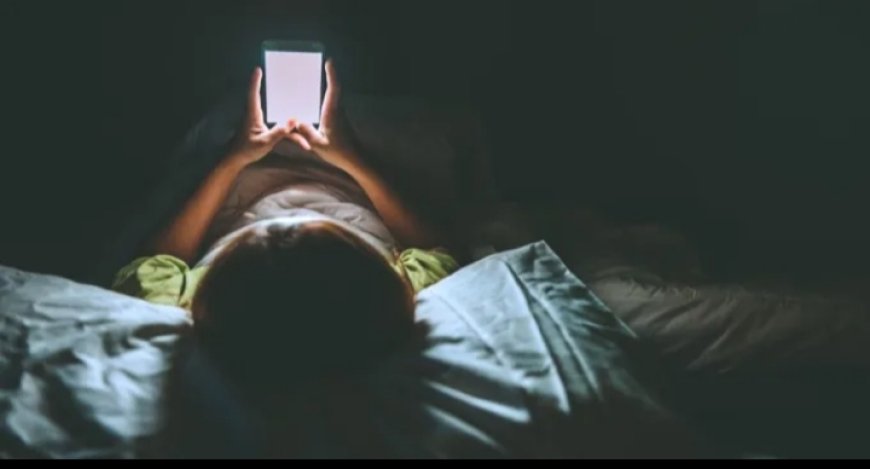
For most of human history, people slept according to natural rhythms. When the sun went down, the body naturally prepared for rest, and when the sun rose, people woke up and started their day. Today, that natural pattern has changed. Artificial light, smartphones, and 24-hour entertainment mean that many people stay awake long after their bodies need rest. Instead of sleeping early, people spend hours watching videos, checking social media, or responding to messages.
Technology has become one of the biggest reasons behind declining sleep. Smartphones, tablets, and laptops emit blue light that tricks the brain into thinking it is still daytime. This interferes with the production of melatonin, the hormone responsible for sleep. As a result, people struggle to fall asleep even when they feel tired. Many experts say that using phones late at night is one of the most common causes of poor sleep among young people.
Work pressure is another major factor. In many cities, people work longer hours and face intense competition in their careers. Some stay awake late finishing tasks or worrying about deadlines. Others work night shifts that disrupt their natural sleep cycles. Over time, this lack of proper rest can lead to fatigue, poor concentration, and reduced productivity.
Sleep deprivation does not only affect energy levels; it also affects health. Studies show that people who regularly sleep less than six hours per night may face higher risks of heart disease, depression, weakened immune systems, and memory problems. When the body does not get enough rest, it cannot repair itself properly or maintain healthy brain function.
Young people are particularly affected by this trend. Many students stay awake late studying or using their phones. Social media platforms also encourage constant activity, making it difficult for users to disconnect. Notifications, messages, and online conversations continue even after midnight, keeping many teenagers and young adults awake far longer than they should be.
Experts say improving sleep habits does not require complicated solutions. Simple lifestyle changes can make a big difference. Reducing screen time before bed, keeping regular sleeping hours, and creating a quiet sleeping environment can help the body return to a healthier rhythm. Even small habits like reading a book instead of using a phone before sleeping can improve sleep quality.
In some countries, companies and schools are beginning to recognize the importance of sleep. A few organizations now encourage flexible schedules and mental health support to help workers avoid burnout. Researchers also continue studying sleep patterns to better understand how modern lifestyles are affecting human health.
Despite these efforts, the global sleep problem continues to grow. As technology becomes more integrated into daily life, the challenge of balancing connectivity and rest becomes increasingly important. People are more connected than ever before, but this constant connection often comes at the cost of proper sleep.
Sleep is one of the most basic human needs, yet it is becoming increasingly rare in modern life. Technology, work pressure, and social habits have slowly pushed many people into unhealthy sleep patterns. As scientists continue to warn about the long-term effects of sleep deprivation, the solution may be simple: slowing down, disconnecting from screens, and allowing the body the rest it truly needs.