









U.S. Sanctions on Rwanda Defence Force: What Are the Effects on Rwanda and the RDF?
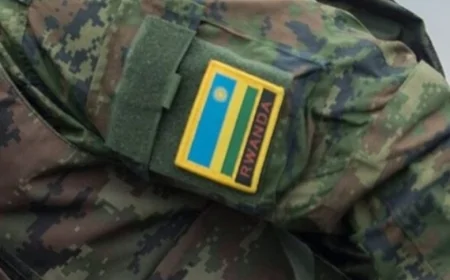
In a major escalation of diplomatic pressure, the United States has imposed sanctions on the Rwanda Defence Force (RDF) and four of its top commanders, including Army Chief of Staff Vincent Nyakarundi. Washington claims the RDF provided support to the M23 rebel group in eastern Democratic Republic of Congo, an action that it says violates the Washington Accords for Peace and Prosperity signed in late 2025. The sanctions freeze any assets held by the RDF and the targeted officers in U.S. jurisdictions and prohibit Americans and U.S. companies from conducting business with them without special authorization.

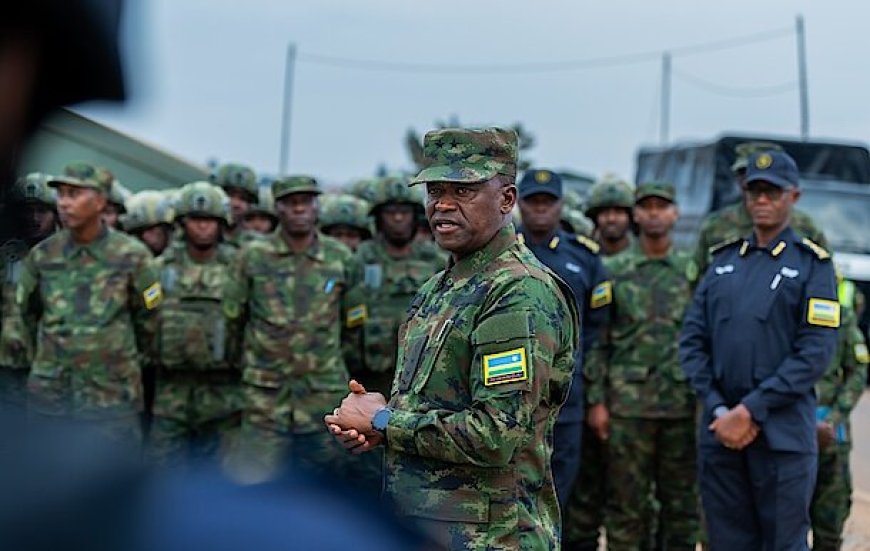
The announcement immediately sent shockwaves through Kigali, raising concerns about the future of Rwanda’s international military cooperation. For years, the RDF has been a key partner in regional security, contributing to peacekeeping missions and counterterrorism operations across Africa. With these sanctions in place, joint training programs, intelligence sharing, and other forms of cooperation with the United States could slow or even stop. The RDF’s long-standing reputation as a professional and disciplined military force may also suffer reputational damage on the global stage.
The effects are not limited to the military. While the sanctions target the RDF and specific officers, they may ripple into Rwanda’s economy and international partnerships. Foreign investors and businesses could see Rwanda as a higher-risk environment, potentially slowing investment or complicating international financial transactions. Development projects and aid programs that rely on security coordination may face delays as donors reassess the situation, affecting sectors beyond the military.
Inside Rwanda, the sanctions are likely to influence public perception and morale within the military. The targeted commanders may face travel restrictions and reputational harm, while ordinary soldiers may feel uncertain about the international standing of their institution. Citizens’ reactions may vary; some may view the sanctions as an unjust foreign interference in Rwanda’s sovereignty, while others may worry about the potential economic and diplomatic fallout. To counter these challenges, the RDF may explore new partnerships with non-Western countries or strengthen regional alliances, adjusting its strategic positioning in the face of international pressure.
Regionally, the sanctions underscore the delicate balance of diplomacy and security in East Africa. They send a clear message that support for rebel groups like M23 carries consequences beyond the immediate conflict zone. Neighboring countries and international organizations may increase pressure on Rwanda to engage more transparently in resolving tensions in eastern DRC, while also monitoring compliance with international agreements. The sanctions are a reminder that regional stability depends not only on military strength but also on accountability and diplomacy.
Overall, the U.S. sanctions represent a serious challenge for Rwanda and the RDF. They threaten long-standing international partnerships, create potential economic and financial risks, and could reshape the reputation and alliances of the country’s military. How Kigali responds, through diplomatic engagement, policy adjustments, or regional negotiations, will be critical in determining Rwanda’s standing in the region and its relationship with global powers in the months and years ahead.