


















The Digital Generation: How Technology Is Reshaping Our Lives, Minds, and Future
In just two decades, technology has moved from being a tool we occasionally used to becoming the center of our daily lives. Smartphones wake us up in the morning, social media connects us to friends and news, artificial intelligence helps us write, study, and even create art, while online platforms shape how we work, shop, and communicate. The digital revolution has brought convenience and opportunity like never before. But as technology grows faster and smarter, an important question remains: are we still in control, or is technology quietly reshaping the way we think and live?

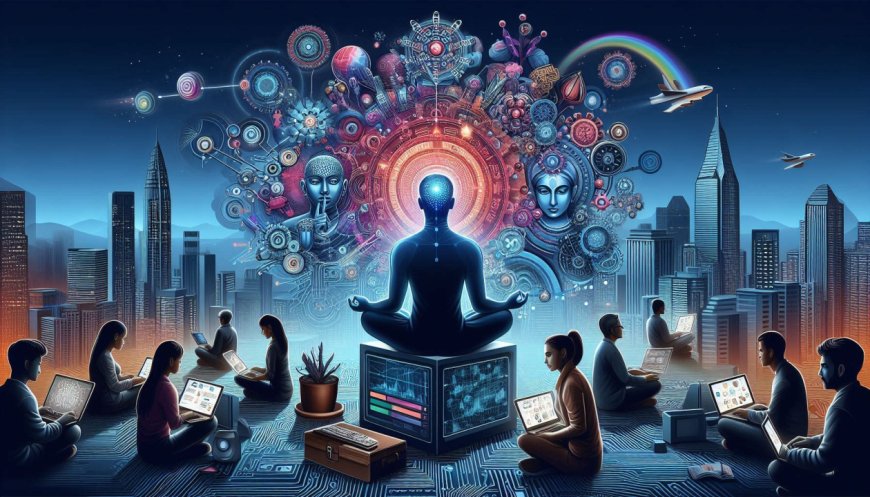
Technology has made life easier in many ways. Today, a student in Kigali can attend online classes from international universities. A small business owner can market products on social media and reach customers across the country. Farmers can check weather forecasts on their phones. With just one click, we can access information that once required hours in a library. This digital access has opened doors for innovation, learning, and entrepreneurship, especially in developing countries where traditional systems were once limited.
However, the same technology that empowers us can also overwhelm us. The average person now spends several hours a day staring at screens. Notifications constantly interrupt our focus. Social media feeds are designed to keep us scrolling, watching, and reacting. Instead of reading deeply, many people now skim headlines and short posts. Instead of having long conversations, we exchange quick messages and emojis. Over time, this shift can affect our attention span, patience, and even critical thinking.
Artificial intelligence is another powerful force shaping our future. AI tools can write essays, generate images, answer complex questions, and automate tasks. In workplaces, AI increases efficiency and reduces human error. In healthcare, it helps doctors analyze data quickly. In education, it offers personalized learning experiences. But there is also concern. If machines begin to think and create for us, will humans rely too much on them? Will creativity and independent thinking weaken? The challenge is not whether AI is good or bad, but how wisely we use it.
Technology is also changing how we see ourselves. Social media platforms create spaces where people compare their lives to carefully edited images of others. Likes, shares, and followers have become measures of value. For many young people, digital identity feels just as important as real-life identity. This can boost confidence and create opportunities, but it can also cause pressure, anxiety, and unrealistic expectations. The digital world moves fast, and keeping up can feel exhausting.
At the same time, technology has transformed communication in powerful ways. Families separated by distance can connect instantly through video calls. Social movements can gain global support within hours. News spreads quickly, sometimes too quickly. While this speed increases awareness, it also increases misinformation. False information can travel as fast as true information, and not everyone takes time to verify what they read. In this digital age, critical thinking has become more important than ever.
The workplace is also evolving because of technology. Remote work, online freelancing, and digital entrepreneurship are becoming normal. Young people no longer depend only on traditional office jobs. A person with a laptop and internet connection can work for international companies from home. This flexibility creates freedom and new income opportunities. But it also brings competition, as the global job market becomes more connected and demanding.
Education is undergoing a digital transformation as well. Online courses, digital textbooks, and educational apps make learning more accessible. Students can learn coding, design, marketing, and many other skills outside the traditional classroom. Yet, there is a risk that students may depend too much on quick answers instead of understanding concepts deeply. Technology can assist learning, but it cannot replace discipline, curiosity, and human guidance.
The key issue is balance. Technology itself is not the enemy. It is a tool, and like any tool, its impact depends on how it is used. When used wisely, it empowers creativity, improves efficiency, and connects people globally. When used without limits, it can reduce focus, weaken real-world relationships, and encourage passive consumption instead of active thinking.
As we move further into a digital future, societies must adapt thoughtfully. Governments need policies that protect data and privacy. Schools must teach digital literacy, helping students learn how to evaluate information critically. Families should encourage healthy technology habits, including time away from screens. Individuals must learn to control technology instead of letting it control them.
The digital generation stands at a powerful crossroads. Technology is shaping our minds, habits, and opportunities in ways previous generations could never imagine. The challenge is not to reject technology, but to use it intentionally and responsibly. Our future will not be defined by technology alone, but by the choices we make while using it.
In the end, the question is simple but important: will technology shape us blindly, or will we shape it wisely? The answer depends on how prepared we are to balance innovation with awareness, speed with reflection, and connection with real human values.