















Zambia Rejects $1 Billion U.S. Health Partnership Over Mining Data Dispute
Zambia has publicly rejected a $1 billion health cooperation deal with the United States, citing controversial provisions tied to mining data access , a major diplomatic development with implications for both health funding and natural resource sovereignty.

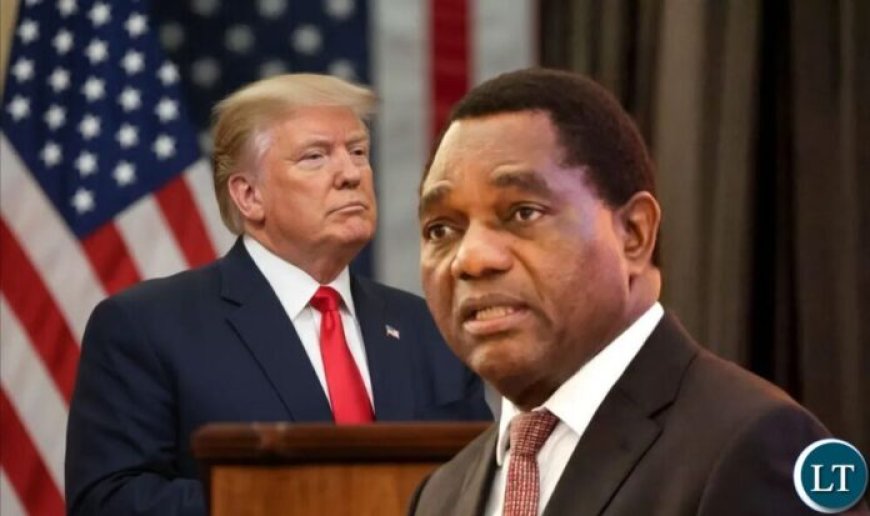
President Hakainde Hichilema announced the government’s decision after negotiations with U.S. officials over a health partnership that would have brought significant funding to Zambia’s healthcare system. The dispute centres on U.S. demands for access to biological and mining data as part of the deal, which Zambian leaders warned could undermine national control over strategic resources like copper and cobalt.
The decision marks a rare breakdown in health diplomacy between the U.S. and an African nation just as global health cooperation efforts are expanding across the continent. While other countries have signed health memoranda of understanding with Washington, Zambia’s rejection highlights growing sensitivity about data sharing and economic influence in bilateral agreements.
Experts say the move could influence how other African governments negotiate future partnerships with foreign powers, especially when health financing is tied to economic or technological concessions. Some regional leaders are calling for clearer terms that protect both public health and national interests.
Zambia’s refusal of the U.S. health deal underscores rising debates over sovereignty and foreign involvement in Africa’s health agenda, a significant development in today’s global politics as nations balance urgent health needs with long-term autonomy.