













What Would Likely Happen After Killing Iran’s Supreme Leader?
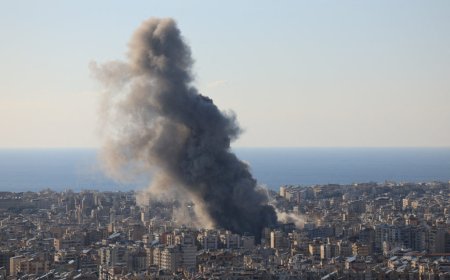
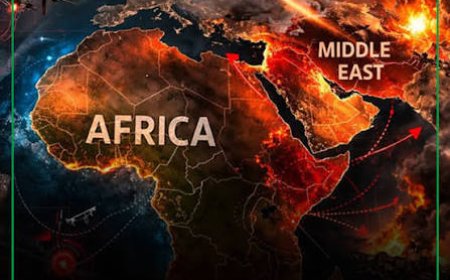
The Middle East would enter one of its most volatile periods in decades if Iran’s Supreme Leader were killed in a foreign military strike. Such an event would be viewed by Tehran not as an isolated attack, but as a declaration of war, triggering immediate regional and global consequences.

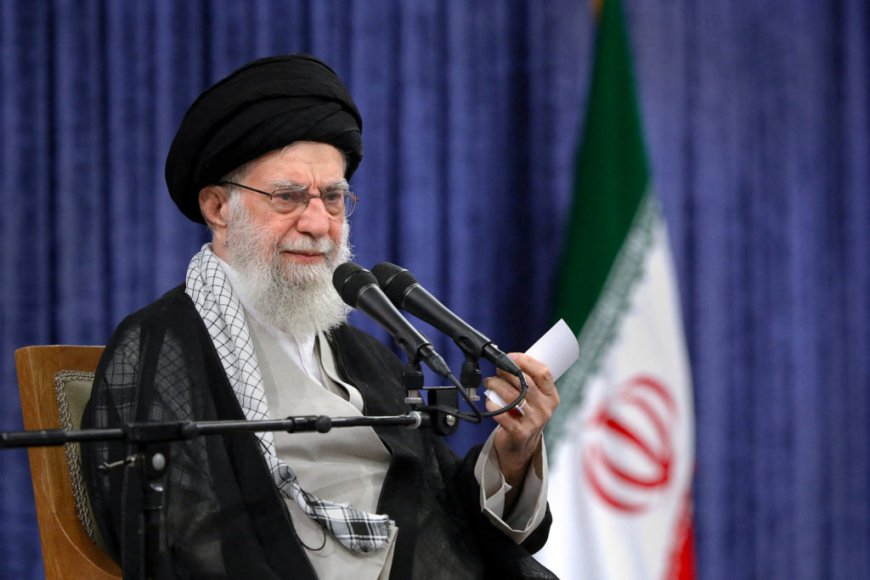
In the immediate aftermath, Iran’s military leadership, particularly the powerful Revolutionary Guard, would likely move quickly to respond. Analysts say retaliation could involve missile or drone strikes against U.S. or Israeli targets, or indirect responses through allied armed groups operating in Lebanon, Iraq, Syria, and Yemen. Even a measured response could ignite wider tensions across an already fragile region.
Domestically, Iran’s political system would activate its constitutional process to appoint a new Supreme Leader. While the country would not automatically collapse into instability, the transition could strengthen hardline factions seeking a tougher stance against foreign powers. In moments of national crisis, political systems often consolidate power rather than weaken.
Beyond the battlefield, global markets would likely react immediately. Oil prices could spike due to fears of disruption in the Strait of Hormuz, a critical artery for global energy shipments. International leaders would rush to convene emergency meetings at the United Nations, urging restraint to prevent the crisis from escalating into full-scale regional war.
The killing of Iran’s top leader would not resolve tensions in the Middle East, it would almost certainly intensify them. Whether the situation spirals into broader conflict or is contained through diplomacy would depend on the speed of retaliation, international mediation efforts, and the strategic decisions made in the crucial days that follow.