








Is the World Heading Toward World War III?
In recent years, it has started to feel like the world is always on edge. When we open the news, we see headlines about wars, military tensions, powerful countries threatening each other, and new weapons being tested. Conflicts between major nations appear more serious than before. Because of this, many people are asking a frightening question: Is World War III near?

It is not a foolish question. History has shown us that global wars can begin from regional conflicts. Before World War I and World War II, there were also tensions, alliances, political misunderstandings, and competition for power. At that time, many ordinary people did not expect a full global war to happen. Yet it did. So when we look at the current situation in the world, it is natural to feel worried.
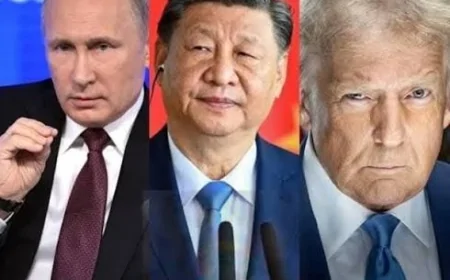
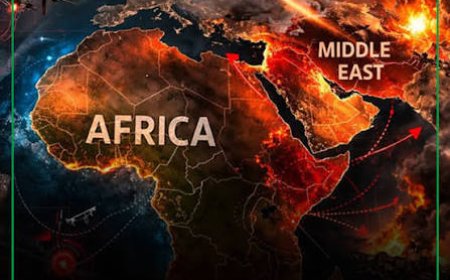
Today, some of the strongest countries are involved in serious conflicts. The war between Russia and Ukraine has drawn in global powers through military aid, sanctions, and political support. In the Middle East, long-standing tensions continue to create instability. In Asia, competition between China and the United States over Taiwan raises concerns. North Korea continues testing missiles. These situations create a picture of a world filled with tension.
However, tension does not automatically mean world war.
One important difference between today and the early 20th century is nuclear weapons. The strongest countries in the world now possess weapons that can destroy entire cities within minutes. Because of this, global leaders understand that a direct war between nuclear powers could be catastrophic for everyone. This idea is often called “mutually assured destruction.” In simple terms, if two nuclear powers fight directly, both sides may suffer unbearable damage. This fear actually acts as a form of protection. It makes leaders more careful.
Another key difference is economic connection. The world today is deeply interconnected. Powerful nations trade with each other. Their economies depend on global supply chains. If a major war broke out between the strongest countries, the global economy would collapse. Businesses would fail, markets would crash, and millions of people could lose jobs. Leaders understand that war would not only destroy enemies, but also harm their own citizens.
Still, we cannot ignore that modern warfare has changed. Instead of direct battles between superpowers, we often see proxy wars. This means powerful countries support different sides in regional conflicts without fighting each other directly. We also see cyber warfare, where countries attack each other’s systems through the internet. There are economic wars through sanctions and trade restrictions. These forms of conflict are serious, but they are different from a traditional world war.
The media also plays a powerful role in shaping our fear. News spreads faster than ever. Social media platforms show us videos, images, and opinions from all over the world in real time. Because of this constant exposure, it can feel like the world is collapsing. But sometimes, what we are seeing is not necessarily the beginning of global war. It is the visibility of conflict that has increased.
At the same time, it would be irresponsible to say there is no risk at all. Tensions between strong nations are real. Political misunderstandings, competition for resources, military alliances, and national pride can all contribute to conflict. A small mistake or miscalculation could escalate quickly. History reminds us that wars sometimes begin not because leaders want total destruction, but because situations spiral out of control.
But alongside conflict, there is also diplomacy. Behind the scenes, world leaders, diplomats, and international organizations are constantly negotiating. They hold meetings, create agreements, and try to prevent escalation. These efforts may not always make headlines, but they are happening every day. The world is not only preparing for war; it is also working to prevent it.
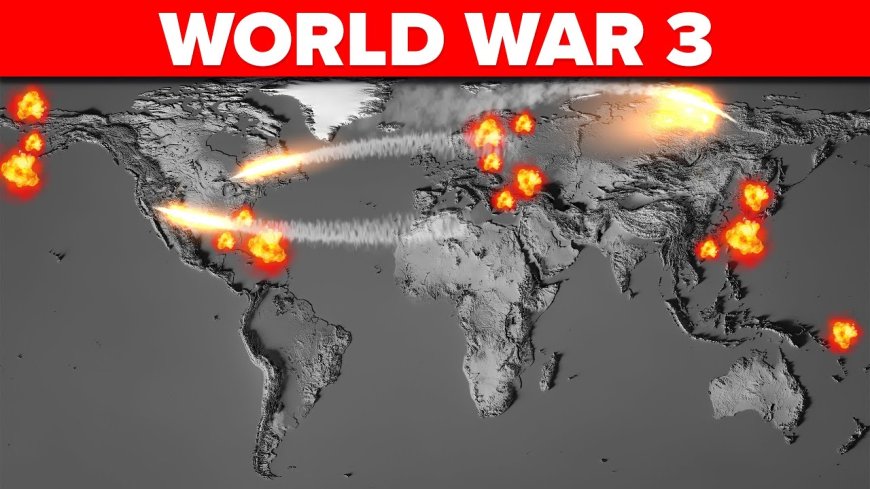
It is also important to understand that fear can sometimes spread faster than facts. On social media, dramatic predictions gain attention. Videos with titles like “World War III is Starting Now” attract millions of views. But fear is powerful content. It spreads quickly because it creates strong emotions. That does not always mean it reflects reality.
For young people especially, living in a time of constant global tension can be mentally exhausting. Many feel anxiety about the future. They wonder if their generation will face global war. But it is worth remembering that previous generations also lived with fear. During the Cold War, for example, the United States and the Soviet Union faced each other with nuclear weapons for decades. Many believed a world war was inevitable. Yet it never happened.
This does not mean the world is perfectly safe. It means that powerful countries often act carefully when the risks are extremely high. War between the strongest nations would not benefit anyone. It would cause massive destruction, economic collapse, and global instability. Because of this, leaders often choose indirect conflict or negotiation rather than open war.
So, is World War III near? The honest answer is that no one can predict the future with certainty. The world is facing serious tensions. Conflicts between strong nations are real. But at the same time, there are strong forces pushing against global war, including nuclear deterrence, economic connections, diplomacy, and the memory of past world wars.
Perhaps the greater challenge today is not a single global war, but a world of continuous smaller conflicts. Instead of one massive battle involving every major country, we may continue to see regional wars, cyber attacks, political pressure, and economic competition. This kind of unstable peace can feel just as stressful.
In the end, fear alone does not help us. What matters is awareness, critical thinking, and understanding the complexity of global politics. The world is not simply moving toward war or peace. It is balancing between both. Every decision by leaders, every diplomatic conversation, and every act of restraint matters.
World War III is not something that begins quietly without warning. It would require major powers to cross dangerous lines. So far, despite tensions, those lines have not been crossed directly between nuclear superpowers.
The world today is tense, yes. But tension is not the same as inevitability. History shows us that humanity has the capacity for both destruction and restraint. The future will depend on which path leaders choose.
For now, instead of assuming that global war is just around the corner, it may be wiser to stay informed, avoid panic, and hope that diplomacy remains stronger than aggression.