












Middle East Conflict Escalates: U.S. and Israel Strike Key Iranian Targets as War Spreads
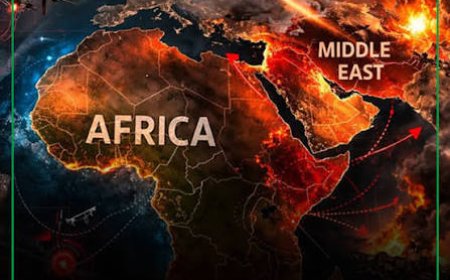
Tensions in the Middle East have exploded into one of the most serious military crises in years, with the United States and Israel carrying out major air and missile strikes on Iran, targeting strategic infrastructure and military facilities. In response, Iran has launched a series of missile and drone attacks against U.S. bases and allied interests across the region, prompting global concern over regional stability, civilian safety, and economic disruption.

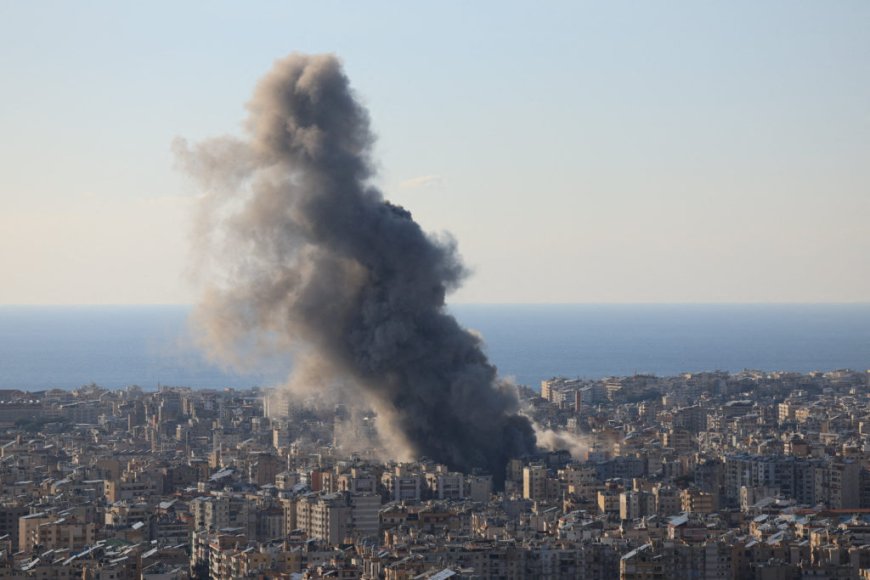
The conflict, which began with U.S. and Israeli operations deep inside Iranian territory, quickly spread to surrounding parts of the Middle East. According to international monitoring, multiple sites in Tehran and other cities were hit as military leaders aimed to degrade Iran’s missile capabilities and command structures. Iranian media reported smoke rising over the capital and damage to both military and state-linked buildings, as the government vowed swift retaliation.
Iran’s response was rapid and forceful. Missiles and drones were launched toward military bases hosting U.S. forces in Iraq and other Gulf nations. While many were intercepted by advanced air defense systems, a number of strikes caused explosions near bases and triggered emergency responses from local authorities. The escalation underlines how swiftly localized hostilities can become broader confrontations, affecting not only military personnel but also civilian populations in major cities.
The human cost has been heavy. According to United Nations humanitarian reports, the sustained hostilities have resulted in hundreds of deaths and injuries in Iran, with strikes hitting densely populated areas and damaging civilian infrastructure. Hospitals have reported an influx of wounded residents, and emergency responders are struggling to keep up with the needs of affected communities. At the same time, displacement has increased, with tens of thousands of people moving away from conflict zones in Iran and neighbouring countries as fear and uncertainty spread.
The reverberations are not just military. One of the most serious global concerns has been the impact on energy markets. The Strait of Hormuz, a narrow channel through which about one-fifth of the world’s oil supply typically flows, has been threatened by the conflict. Iranian military statements indicated the potential closure of the strait, prompting fears of a major disruption to global energy supplies. Oil and gas prices shot up as traders reacted to the risk of supply bottlenecks, and analysts warned that prolonged instability could have far-reaching effects on transportation costs, inflation, and global economic growth.
The United Nations Security Council convened urgent discussions as global leaders called for restraint. China, Russia, European nations, and regional powers all issued statements urging de-escalation and peaceful resolution of the conflict. Still, at the time of reporting, neither side showed clear willingness to back down, and diplomatic efforts were ongoing to prevent further escalation into a wider regional war.
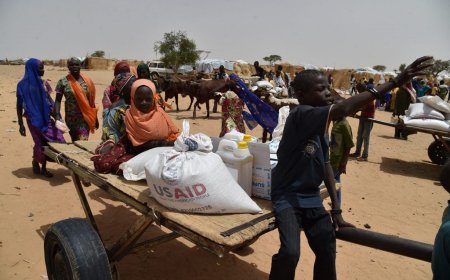
Meanwhile, humanitarian agencies have raised alarms about the impact of continued conflict on vulnerable populations. Damage to essential services, including water, electricity, and healthcare facilities, has made daily life increasingly difficult in parts of Iran and neighbouring areas affected by missile debris and power outages. With displacement rising, organizations are calling for increased aid and access to conflict zones to provide food, shelter, and medical support to civilians caught in the crossfire.
The conflict has also highlighted wider geopolitical divisions and alliances. Countries in the Gulf Cooperation Council (GCC) have expressed concern about Iran’s actions, while other states have called for diplomatic engagement to avoid further bloodshed. The situation has placed pressure on the global diplomatic community to revive dialogue not only to end active hostilities but also to address long-standing tensions that fuel cycles of violence in the region.
As of today, the Middle East remains on high alert, with active military operations, diplomatic negotiations, and international calls for peace unfolding simultaneously. The effects of this crisis are likely to shape regional security and global economics for months, if not years, ahead. The world watches as leaders work to prevent a larger, wider conflict while millions of families face the immediate challenges of war, displacement, and uncertainty about what comes next.