





What'd happen if Colonel Nangaa were eliminated and why he is a key figure in Congo's M23 conflict
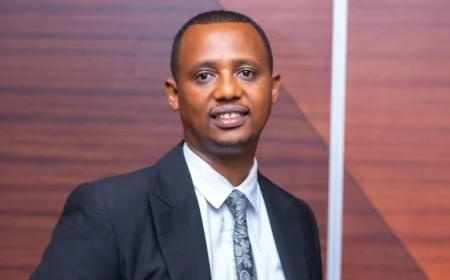
Just days ago, drones struck areas controlled by M23 rebels in eastern Democratic Republic of the Congo, in what reports suggested was an attempt to target political figure Corneille Nangaa. Instead, the attack reportedly killed a French humanitarian worker linked to the United Nations. The incident has sparked new debate about Nangaa’s growing influence within the rebel movement. But an important question now arises: what consequences could follow if the Congolese government were to successfully eliminate Nangaa, and how important is he to the M23 rebellion?

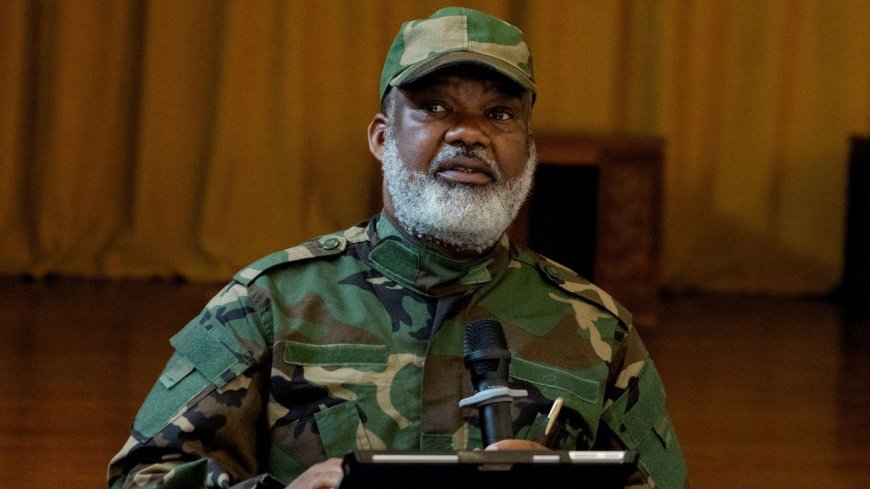
One of the most important factors is Nangaa’s political influence. Before joining the rebellion, he served as the head of Congo’s electoral commission, making him one of the country’s most recognizable political figures. His entry into the anti-government coalition linked to M23 transformed the rebellion from a purely military movement into one with political ambitions. Nangaa has tried to present the rebellion as a broader political struggle aimed at reforming the Congolese state. If he were eliminated, the movement could lose an important political face capable of speaking to international audiences and attracting supporters beyond the battlefield.
Another significant issue is Nangaa’s network of political connections. Over the years, he has interacted with numerous international diplomats, regional leaders, and influential Congolese political figures. Reports circulating within Congo have suggested that several officials suspected of supporting or communicating with the rebellion have faced investigation or arrest. If Nangaa were killed, those networks could become even more controversial, potentially triggering further political purges, arrests, or internal tensions within Congo’s political system.
Nangaa is also believed to play a strategic financial role in the rebellion. Armed groups operating in eastern Congo often rely on complex funding sources, ranging from political supporters and diaspora networks to control of mineral-rich areas. Analysts believe that leaders with political stature often help mobilize resources necessary to sustain such movements. If Nangaa contributes financially or politically to the M23 alliance, his removal could disrupt those funding channels and affect the group’s operational capacity.
The military dimension must also be considered. Since Nangaa aligned himself with the coalition that includes M23, the rebellion has continued expanding its territorial influence in parts of eastern Congo. One of the most strategic areas linked to recent rebel advances is the mining region of Rubaya, known for its valuable mineral deposits used in global electronics manufacturing. Control over such areas can generate both financial resources and strategic leverage in negotiations. If Nangaa were killed, the rebels might interpret it as an attempt to decapitate their political leadership, potentially triggering stronger retaliation or intensifying military operations.
Beyond the battlefield, Nangaa’s death could also reshape the political narrative of the conflict. Rebel movements often rally around leaders who become symbols of their cause. If the Congolese government were seen as directly responsible for killing him, M23 and its allies could portray him as a martyr, using his death to mobilize supporters or justify further escalation. This could complicate peace efforts mediated by international actors and deepen mistrust between the parties involved.
The regional dimension is equally important. The conflict in eastern Congo has long involved multiple regional interests and accusations of foreign involvement. Escalation involving prominent political figures could further strain diplomatic relations in the Great Lakes region and draw greater attention from international organizations trying to stabilize the area.
The possible death of Corneille Nangaa would not simply remove one political figure from the conflict in eastern Congo, it could reshape the political, military, and diplomatic dynamics surrounding the rebellion. For M23, he represents both a political voice and a symbol of broader opposition to the Congolese government. For Kinshasa, targeting such a figure might weaken the rebellion’s leadership, but it could also intensify the conflict and complicate regional peace efforts. In a war already marked by shifting alliances and deep mistrust, the fate of one influential figure could carry consequences far beyond the battlefield.