















How Global Conflicts Are Sending Economic Shockwaves Across Africa
As conflicts intensify in other parts of the world, Africa is increasingly feeling the economic consequences. Rising oil prices and global instability, especially linked to tensions involving Iran, Israel, and the United States, are pushing up fuel prices across the African continent. For many African countries that rely heavily on imported energy, this global crisis is quickly turning into a local economic challenge affecting millions of ordinary people.

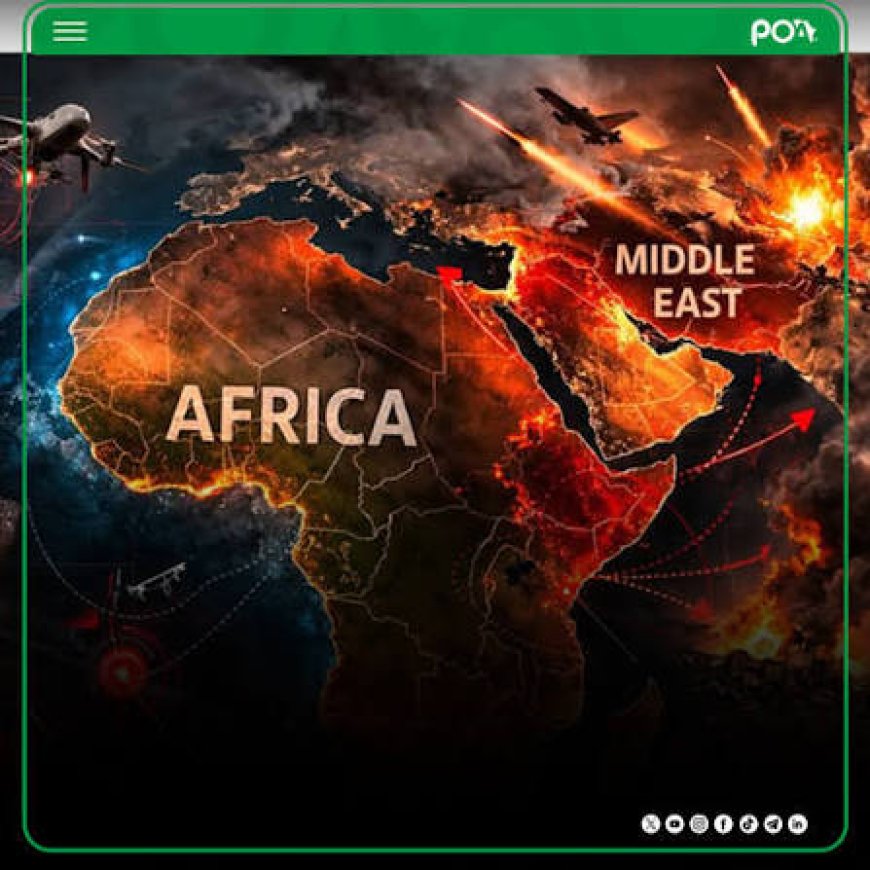
In many African economies, fuel imports are essential for transportation, electricity generation, and industrial production. However, most countries on the continent lack large oil-refining capacity, meaning they must buy refined fuel from international markets. When global oil prices rise sharply, as they recently did after tensions in the Middle East, African governments and consumers feel the pressure almost immediately. Economists warn that higher energy costs can increase inflation, weaken national currencies, and slow economic growth.
The economic consequences extend far beyond fuel. Higher transport costs often lead to rising prices for food, construction materials, and other basic goods. In cities across Africa, where millions of people already struggle with the cost of living, any increase in fuel prices can quickly affect everyday life. Public transport fares rise, food prices increase in markets, and businesses face higher operational expenses. These pressures can deepen social inequalities and create frustration among citizens already facing unemployment and economic uncertainty.
At the same time, the situation reveals a structural weakness in many African economies: dependence on global markets for essential resources. Despite being rich in natural resources, many African countries export raw materials but import refined products and manufactured goods. Analysts argue that this pattern leaves the continent vulnerable to global crises that originate far outside Africa’s borders.
Political leaders and economists have therefore begun emphasizing the need for stronger economic independence. Institutions such as the African Union have repeatedly called for industrialization, regional trade, and stronger energy infrastructure across the continent. Initiatives such as the African Continental Free Trade Area aim to increase trade within Africa itself rather than relying heavily on external markets.
Some experts also see the crisis as a wake-up call. While rising global tensions present immediate challenges, they may also encourage African governments to invest more in local energy production, renewable energy, and domestic refining capacity. If such reforms are implemented effectively, they could reduce the continent’s vulnerability to external economic shocks in the future.
The latest global tensions highlight an uncomfortable reality: Africa’s economies remain highly exposed to international crises. When conflicts occur thousands of kilometers away, the effects are still felt in African markets, transport systems, and households. For many analysts, the lesson is clear, Africa’s long-term economic stability may depend on building stronger internal industries, expanding regional trade, and reducing dependence on volatile global markets.