

















U.S. and Niger Strengthen Health Cooperation to Fight Future Outbreaks
The United States has signed a new health cooperation agreement with Niger aimed at bolstering infectious disease outbreak prevention and response, a major step in strengthening public health systems in West Africa.

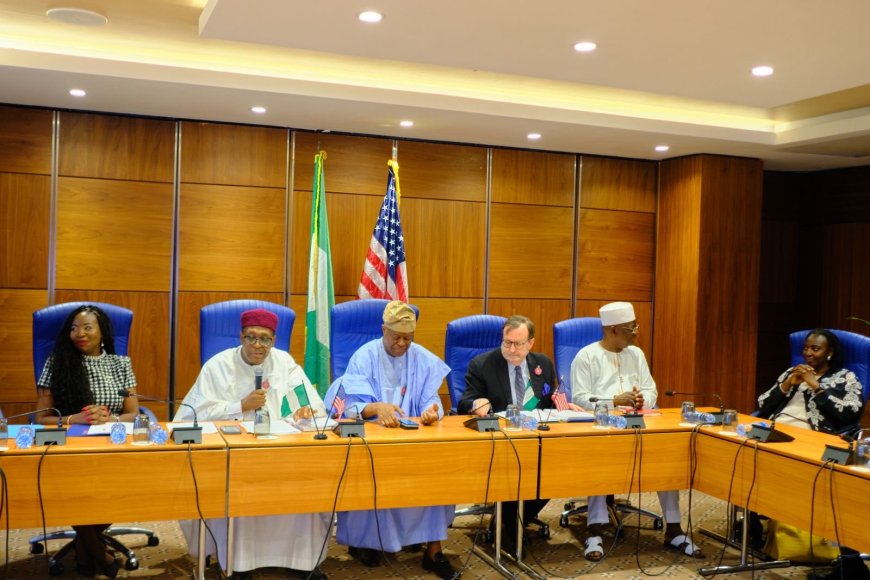
The bilateral agreement covers shared strategies for early detection and rapid response to infectious disease threats. Government officials say the collaboration will enhance laboratory capacity, disease surveillance, and emergency response preparedness, critical elements for managing future epidemics.
Under the framework, both countries will work together on workforce training, data sharing, and public health infrastructure improvements. Experts say the initiative aligns with global efforts to ensure vulnerable regions are better equipped to prevent and contain outbreaks before they spread broadly.
The move follows recent global health challenges and reflects a growing emphasis on international cooperation in health security. Officials from Niger’s ministry and U.S. health agencies emphasized the need for a coordinated approach, particularly in regions where climate change, migration, and limited resources increase health risks.
This new health cooperation agreement signifies a significant diplomatic and practical commitment to strengthening public health resilience in Africa, with potential benefits that extend beyond Niger’s borders and contribute to global epidemic preparedness.